Buy dasso.eu ?
We are moving the project
dasso.eu .
Are you interested in purchasing the domain
dasso.eu ?
domain@kv-gmbh.de · 0541-91531010
Buy dasso.eu ?
What is heat transfer in a heat exchanger?
Heat transfer in a heat exchanger is the process of exchanging thermal energy between two fluids at different temperatures. This transfer occurs through conduction, convection, or radiation, depending on the design of the heat exchanger. The goal of heat transfer in a heat exchanger is to efficiently and effectively transfer heat from one fluid to another, either to heat or cool the fluids involved. This process is essential in various industrial and commercial applications, such as HVAC systems, refrigeration, and power generation. **
What is the difference between heat conduction and heat transfer?
Heat conduction is a specific type of heat transfer that occurs within a material or between materials that are in direct contact with each other. It involves the transfer of thermal energy through the vibration and collision of atoms and molecules within a substance. On the other hand, heat transfer is a broader term that encompasses various mechanisms of transferring thermal energy, including conduction, convection, and radiation. Heat transfer can occur through direct contact (conduction), through the movement of fluids (convection), or through electromagnetic waves (radiation). **


Similar search terms for Heat transfer
Top-Angebote
Products related to Heat transfer:
-
Uplift Essentials Natural Eco Friendly Bamboo Toothbrush Set Colorful 10 Piece Value Pack Natural Eco Friendly Bamboo Toothbrush Set Colorful 10 Piece Value PackSwitch to a greener routine with this natural bamboo toothbrush set, designed to combine sustainability with a vibrant, modern aesthetic. Crafted from 100% renewable bamboo, these toothbrushes offer a lightweight and biodegradable alternative to...44,97 $*Shipping: 0,00 $Secure redirect to the provider
-
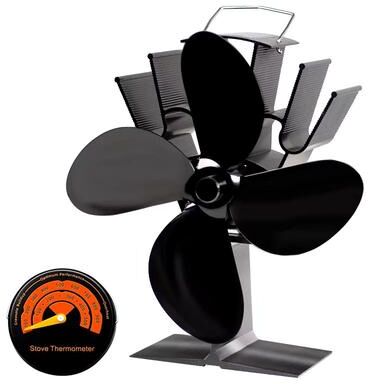
Inspired Finds 4 Blade Heat Powered Stove Fan Eco Friendly Quiet Fireplace Fan For Efficient Wood Burner Heat Distribution stove FanStay warm and cozy this winter with the heat powered stove fan that distributes warmth evenly throughout your home without using electricity. Designed with four powerful blades, this fireplace fan uses the heat from your wood burner to generate...113,99 $*Shipping: 0,00 $Secure redirect to the provider
-
Inspired Finds Mini 5 Blade Heat Powered Stove Fan Eco Friendly Fireplace Fan For Wood Burners, Silent Operation & Efficient Heat Dis stove FanTransform your fireplace into a powerful source of warmth with the heat powered stove fan designed for woodburning stoves. With five blades and a compact build, this fan improves heat circulation for faster, more even room warming. No electricity or...106,99 $*Shipping: 0,00 $Secure redirect to the provider



-
What is the transfer of heat?
The transfer of heat is the process by which thermal energy is exchanged between different objects or systems. This transfer can occur through three main mechanisms: conduction, convection, and radiation. Conduction is the transfer of heat through direct contact between objects, convection is the transfer of heat through the movement of fluids or gases, and radiation is the transfer of heat through electromagnetic waves. Understanding how heat is transferred is important in various fields such as engineering, physics, and meteorology. **
-
What fundamental physical-chemical principle opposes heat transfer processes from a natural perspective?
The fundamental physical-chemical principle that opposes heat transfer processes from a natural perspective is the second law of thermodynamics. This law states that heat naturally flows from a higher temperature to a lower temperature, and it is not possible for heat to flow spontaneously from a lower temperature to a higher temperature. This principle is a fundamental aspect of the natural tendency for systems to move towards a state of greater disorder, or entropy. As a result, heat transfer processes are inherently limited by this principle, and it governs the direction and efficiency of heat transfer in natural systems. **
-
How does heat transfer work in physics?
Heat transfer in physics occurs through three main mechanisms: conduction, convection, and radiation. Conduction is the transfer of heat through a material by direct contact of particles. Convection involves the transfer of heat through the movement of fluids or gases. Radiation is the transfer of heat through electromagnetic waves. These mechanisms work together to distribute heat from a warmer object to a cooler one until thermal equilibrium is reached. **
-
How does heat transfer occur on snow?
Heat transfer occurs on snow through three main processes: conduction, convection, and radiation. Conduction is the transfer of heat through direct contact with the snow surface. Convection occurs when warmer air rises from the snow surface, carrying heat away. Radiation is the transfer of heat through electromagnetic waves, such as from the sun to the snow. These processes work together to regulate the temperature of the snow and its surroundings. **

Can you tell jokes about heat transfer?
Yes, there are plenty of jokes about heat transfer! For example, "Why did the heat transfer student sit near the window in class? Because they wanted to stay in the convection current!" or "Why did the heat transfer professor bring a fan to the lecture? Because they wanted to demonstrate forced convection!" These jokes play on the concepts of convection and heat transfer in a lighthearted and humorous way. **
How does heat transfer work during baking?
During baking, heat transfer occurs through convection, conduction, and radiation. Convection is the transfer of heat through the movement of air or liquid, which helps to evenly distribute heat throughout the oven. Conduction is the direct transfer of heat from the oven walls or baking pan to the food being baked. Radiation is the transfer of heat through electromagnetic waves, which is how the food absorbs heat from the oven's heating elements. These three methods work together to ensure that the food is evenly and thoroughly cooked during the baking process. **
Top-Angebote
Products related to Heat transfer:
-
Uplift Essentials Natural Bamboo Eco Friendly Toothbrush 10 Piece Sustainable Family Pack Natural Bamboo Eco Friendly Toothbrush 10 Piece Sustainable Family PackTransition to a greener routine with this Natural Bamboo Toothbrush Set, a premium collection of bamboo products designed to reduce environmental impact without compromising on performance. Each handle is crafted from 100% sustainable bamboo,...37,97 $*Shipping: 0,00 $Secure redirect to the provider
-
Uplift Essentials Natural Eco Friendly Bamboo Toothbrush Set Colorful 10 Piece Value Pack Natural Eco Friendly Bamboo Toothbrush Set Colorful 10 Piece Value PackSwitch to a greener routine with this natural bamboo toothbrush set, designed to combine sustainability with a vibrant, modern aesthetic. Crafted from 100% renewable bamboo, these toothbrushes offer a lightweight and biodegradable alternative to...44,97 $*Shipping: 0,00 $Secure redirect to the provider
-
What is heat transfer in a heat exchanger?
Heat transfer in a heat exchanger is the process of exchanging thermal energy between two fluids at different temperatures. This transfer occurs through conduction, convection, or radiation, depending on the design of the heat exchanger. The goal of heat transfer in a heat exchanger is to efficiently and effectively transfer heat from one fluid to another, either to heat or cool the fluids involved. This process is essential in various industrial and commercial applications, such as HVAC systems, refrigeration, and power generation. **
-
What is the difference between heat conduction and heat transfer?
Heat conduction is a specific type of heat transfer that occurs within a material or between materials that are in direct contact with each other. It involves the transfer of thermal energy through the vibration and collision of atoms and molecules within a substance. On the other hand, heat transfer is a broader term that encompasses various mechanisms of transferring thermal energy, including conduction, convection, and radiation. Heat transfer can occur through direct contact (conduction), through the movement of fluids (convection), or through electromagnetic waves (radiation). **
-
What is the transfer of heat?
The transfer of heat is the process by which thermal energy is exchanged between different objects or systems. This transfer can occur through three main mechanisms: conduction, convection, and radiation. Conduction is the transfer of heat through direct contact between objects, convection is the transfer of heat through the movement of fluids or gases, and radiation is the transfer of heat through electromagnetic waves. Understanding how heat is transferred is important in various fields such as engineering, physics, and meteorology. **
-
What fundamental physical-chemical principle opposes heat transfer processes from a natural perspective?
The fundamental physical-chemical principle that opposes heat transfer processes from a natural perspective is the second law of thermodynamics. This law states that heat naturally flows from a higher temperature to a lower temperature, and it is not possible for heat to flow spontaneously from a lower temperature to a higher temperature. This principle is a fundamental aspect of the natural tendency for systems to move towards a state of greater disorder, or entropy. As a result, heat transfer processes are inherently limited by this principle, and it governs the direction and efficiency of heat transfer in natural systems. **
Similar search terms for Heat transfer
-
Inspired Finds 4 Blade Heat Powered Stove Fan Eco Friendly Quiet Fireplace Fan For Efficient Wood Burner Heat Distribution stove FanStay warm and cozy this winter with the heat powered stove fan that distributes warmth evenly throughout your home without using electricity. Designed with four powerful blades, this fireplace fan uses the heat from your wood burner to generate...113,99 $*Shipping: 0,00 $Secure redirect to the provider
-
Inspired Finds Mini 5 Blade Heat Powered Stove Fan Eco Friendly Fireplace Fan For Wood Burners, Silent Operation & Efficient Heat Dis stove FanTransform your fireplace into a powerful source of warmth with the heat powered stove fan designed for woodburning stoves. With five blades and a compact build, this fan improves heat circulation for faster, more even room warming. No electricity or...106,99 $*Shipping: 0,00 $Secure redirect to the provider
-
Gaslow White Refill Transfer KitThe Gaslow Transfer Kit enables you to transfer your Gaslow Refillable System to your new vehicle whilst leaving the original fill point in place. The kit comprises of all the components of the filler kit, except for the filler hose. It also contains a blanking cap for the back of the fill connection on your old vehicle to prevent the new owner from trying to fill without a cylinder installed.42,30 £*Shipping: 5,00 £Secure redirect to the provider
-
Inspired Finds 4 Blade Heat Powered Stove Fan Eco Friendly Quiet Fireplace Fan For Efficient Wood Burner Heat Distribution with Thermometer AStay warm and cozy this winter with the heat powered stove fan that distributes warmth evenly throughout your home without using electricity. Designed with four powerful blades, this fireplace fan uses the heat from your wood burner to generate...113,99 $*Shipping: 0,00 $Secure redirect to the provider
-
How does heat transfer work in physics?
Heat transfer in physics occurs through three main mechanisms: conduction, convection, and radiation. Conduction is the transfer of heat through a material by direct contact of particles. Convection involves the transfer of heat through the movement of fluids or gases. Radiation is the transfer of heat through electromagnetic waves. These mechanisms work together to distribute heat from a warmer object to a cooler one until thermal equilibrium is reached. **
-
How does heat transfer occur on snow?
Heat transfer occurs on snow through three main processes: conduction, convection, and radiation. Conduction is the transfer of heat through direct contact with the snow surface. Convection occurs when warmer air rises from the snow surface, carrying heat away. Radiation is the transfer of heat through electromagnetic waves, such as from the sun to the snow. These processes work together to regulate the temperature of the snow and its surroundings. **
-
Can you tell jokes about heat transfer?
Yes, there are plenty of jokes about heat transfer! For example, "Why did the heat transfer student sit near the window in class? Because they wanted to stay in the convection current!" or "Why did the heat transfer professor bring a fan to the lecture? Because they wanted to demonstrate forced convection!" These jokes play on the concepts of convection and heat transfer in a lighthearted and humorous way. **
-
How does heat transfer work during baking?
During baking, heat transfer occurs through convection, conduction, and radiation. Convection is the transfer of heat through the movement of air or liquid, which helps to evenly distribute heat throughout the oven. Conduction is the direct transfer of heat from the oven walls or baking pan to the food being baked. Radiation is the transfer of heat through electromagnetic waves, which is how the food absorbs heat from the oven's heating elements. These three methods work together to ensure that the food is evenly and thoroughly cooked during the baking process. **
* All prices are inclusive of VAT and, if applicable, plus shipping costs. The offer information is based on the details provided by the respective shop and is updated through automated processes. Real-time updates do not occur, so deviations can occur in individual cases. ** Note: Parts of this content were created by AI.