Buy dasso.eu ?
We are moving the project
dasso.eu .
Are you interested in purchasing the domain
dasso.eu ?
domain@kv-gmbh.de · 0541-91531010
Buy dasso.eu ?
How could one design a project on bipolar disorder?
One could design a project on bipolar disorder by first conducting thorough research on the topic to understand its causes, symptoms, and treatment options. Then, one could develop a research question or hypothesis to investigate a specific aspect of bipolar disorder, such as the effectiveness of different treatment methods or the impact of the disorder on daily functioning. The project could involve collecting data through surveys, interviews, or observational studies, and analyzing the results to draw conclusions. Additionally, it could be beneficial to involve individuals with lived experience of bipolar disorder in the project to ensure a comprehensive and respectful approach. **
What differentiates bipolar disorder from borderline personality disorder?
Bipolar disorder is characterized by extreme mood swings between manic episodes (elevated mood, increased energy) and depressive episodes, while borderline personality disorder is characterized by unstable relationships, self-image, and emotions. Bipolar disorder is primarily a mood disorder, while borderline personality disorder is a personality disorder that affects a person's overall way of thinking, feeling, and behaving. Additionally, bipolar disorder is typically treated with mood stabilizers and other medications, while borderline personality disorder is often treated with therapy, such as dialectical behavior therapy. **

Similar search terms for Disorder
Top-Angebote
Products related to Disorder:
-
Uplift Essentials Natural Eco Friendly Bamboo Toothbrush Set Colorful 10 Piece Value Pack Natural Eco Friendly Bamboo Toothbrush Set Colorful 10 Piece Value PackSwitch to a greener routine with this natural bamboo toothbrush set, designed to combine sustainability with a vibrant, modern aesthetic. Crafted from 100% renewable bamboo, these toothbrushes offer a lightweight and biodegradable alternative to...44,97 $*Shipping: 0,00 $Secure redirect to the provider
-
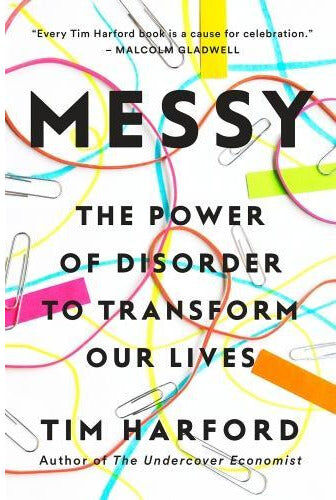
Riverhead Books Messy - The Power Of Disorder To Transform Our Lives by Tim HarfordMessy: The Power of Disorder to Transform Our Lives Description From the award-winning columnist and author of the national bestseller The Undercover Economist comes a provocative big idea book about the genuine benefits of being messy: at home; at work; in the classroom; and beyond. Look out for Tim's next book; Fifty Inventions That Shaped the Modern Economy. Messy: The Power of Disorder to Transform Our Lives celebrates the benefits that messiness has in our lives: why it's important; why we resist it; and why we should embrace it instead. Using research from neuroscience; psychology; social science; as well as captivating examples of real people doing extraordinary things; Tim Harford explains that the human qualities we value - creativity; responsiveness; resilience - are integral to the disorder; confusion; and disarray that produce them. From the music studio of Brian Eno to the Lincoln Memorial with Martin Luther King; Jr.; from the board room to the classroom; messiness lies at the core of how we innovate; how we achieve; how we reach each other - in short; how we succeed. In Messy; you'll learn about the unexpected connections between creativity and mess; understand why unexpected changes of plans; unfamiliar people; and unforeseen events can help generate new ideas and opportunities as they make you anxious and angry; and come to appreciate that the human inclination for tidiness - in our personal and professional lives; online; even in children's play - can mask deep and debilitating fragility that keep us from innovation. Stimulating and readable as it points exciting ways forward; Messy is an insightful exploration of the real advantages of mess in our lives.4,49 £*Shipping: 1,99 £Secure redirect to the provider
-
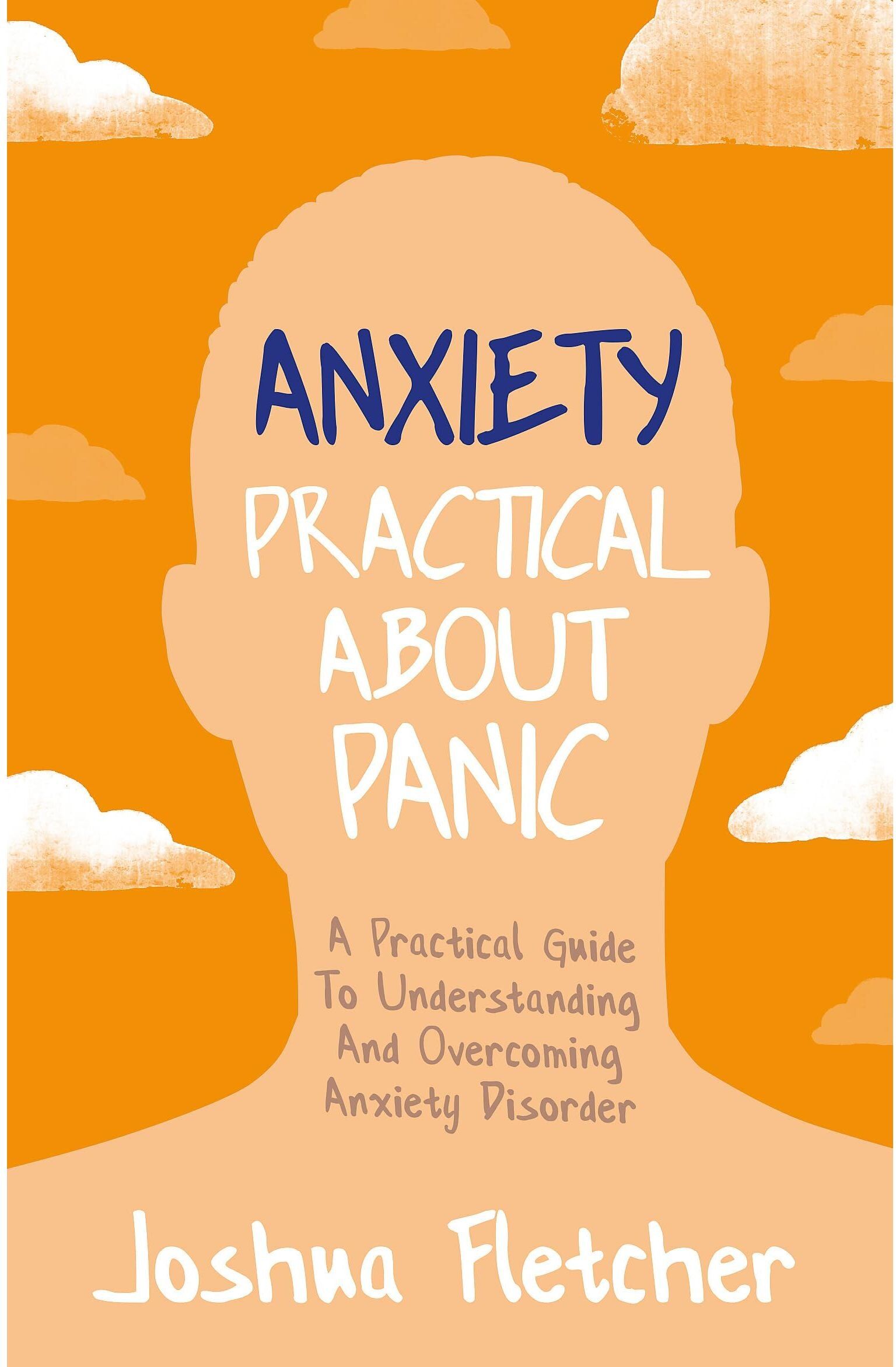
John Murray Anxiety: Practical About Panic: A Practical Guide to Understanding and Overcoming Anxiety DisorderDo you suffer from anxiety and panic? So did Joshua Fletcher, the author of the self-published bestseller ANXIETY: PANICKING ABOUT PANIC - but he treated his own condition successfully, went back to school, became a counsellor and emerged as one of the country's leading experts. ANXIETY: PRACTICAL ABOUT PANIC is a complete, easy to read and hugely practical book about anxiety from someone who knows how to recover and live your life to the full - and will show you how. Concentrating on the actions that you can take to alleviate and overcome your worries, this book is all about you and what you need to do to improve your life.8,99 £*Shipping: 2,99 £Secure redirect to the provider
-
Uplift Essentials Natural Wheat Straw & Bamboo Charcoal Infused Soft Toothbrush 10 Piece Eco Friendly Family Set Natural Wheat Straw & Bamboo Charcoal Infused Soft Toothbrush 10 Piece Eco Friendly Family SetNatural Wheat Straw & Bamboo Charcoal Infused Soft Toothbrush 10Piece EcoFriendly Family SetUpgrade your daily oral care with this sustainable wheat straw toothbrush collection, designed for the environmentally conscious household. Each handle is...36,97 $*Shipping: 0,00 $Secure redirect to the provider


-
What distinguishes bipolar disorder from borderline personality disorder?
Bipolar disorder is a mood disorder characterized by extreme mood swings between mania and depression, while borderline personality disorder is a personality disorder characterized by unstable relationships, self-image, and emotions. Bipolar disorder is primarily a mood disorder, while borderline personality disorder is a personality disorder that affects a person's overall sense of self and relationships. Additionally, bipolar disorder is typically episodic, with distinct periods of mania and depression, while borderline personality disorder is characterized by chronic patterns of instability. Treatment approaches for these disorders also differ, with bipolar disorder often treated with mood stabilizers and borderline personality disorder often treated with therapy focused on improving interpersonal relationships and emotional regulation. **
-
Is it a brain disorder or an eye disorder?
It is an eye disorder. Amblyopia, also known as lazy eye, is a condition where one eye has reduced vision due to abnormal visual development in early childhood. It is not a brain disorder, but rather a problem with how the brain and eye work together to process visual information. Treatment for amblyopia typically involves correcting any underlying issues with the eye, such as using glasses or an eye patch to strengthen the weaker eye. **
-
When is a personality disorder considered a personality disorder?
A personality disorder is considered a personality disorder when it meets specific criteria outlined in the Diagnostic and Statistical Manual of Mental Disorders (DSM-5). These criteria include enduring patterns of behavior, cognition, and inner experience that deviate significantly from cultural expectations, are pervasive and inflexible, and lead to distress or impairment in social, occupational, or other areas of functioning. Additionally, the symptoms must be stable and of long duration, typically beginning in adolescence or early adulthood. A diagnosis of a personality disorder is made by a qualified mental health professional after a thorough assessment and evaluation of the individual's symptoms and history. **
-
What is worse: histrionic personality disorder or schizoid personality disorder?
It is not accurate or fair to say that one personality disorder is worse than another as each disorder presents its own unique challenges and impacts individuals differently. Histrionic personality disorder is characterized by attention-seeking behavior and emotional instability, while schizoid personality disorder is characterized by social detachment and limited emotional expression. Both disorders can significantly impact an individual's relationships, functioning, and overall well-being, but the severity and impact of symptoms can vary greatly among individuals. It is important for individuals with either disorder to seek professional help and support to manage their symptoms and improve their quality of life. **


What is an obsessive-compulsive disorder or other personality disorder?
Obsessive-compulsive disorder (OCD) is a mental health condition characterized by persistent, intrusive thoughts (obsessions) and repetitive behaviors or mental acts (compulsions) that a person feels driven to perform. These obsessions and compulsions can interfere with daily activities and cause significant distress. On the other hand, a personality disorder is a type of mental health condition characterized by unhealthy patterns of thinking, feeling, and behaving that can cause significant distress or impairment in functioning. There are different types of personality disorders, each with its own specific set of symptoms and behaviors. Both OCD and personality disorders can be effectively treated with therapy and, in some cases, medication. **
What is the difference between schizotypal disorder and paranoid personality disorder?
Schizotypal disorder is characterized by odd or eccentric behavior, unusual beliefs or magical thinking, and difficulty forming close relationships. People with schizotypal disorder may also experience perceptual disturbances, such as seeing or hearing things that others do not. On the other hand, paranoid personality disorder is characterized by a pervasive distrust and suspicion of others, interpreting others' motives as malevolent. People with paranoid personality disorder may be preoccupied with doubts about the loyalty of others and may be reluctant to confide in others. While both disorders involve social and interpersonal difficulties, schizotypal disorder also includes eccentric behavior and unusual beliefs, while paranoid personality disorder is primarily characterized by distrust and suspicion. **
Top-Angebote
Products related to Disorder:
-
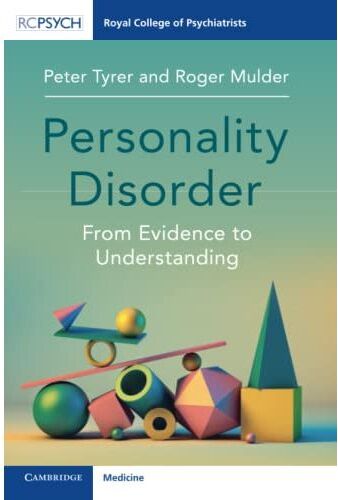
Cambridge University Press Personality Disorder: From Evidence to UnderstandingPersonality disorder affects more than 10% of the population but is widely ignored by health professionals as it is viewed as a term of stigma. The new classification of personality disorder in the ICD-11 shows that we are all on a spectrum of personality disturbance and that this can change over time. This important new book explains why all health professionals need to be aware of personality disorders in their clinical practice. Abnormal personality, at all levels of severity, should be taken into account when choosing treatment, when predicting outcomes, when anticipating relapse, and when explaining diagnosis. Authored by leading experts in this field, this book explains how the new classification of personality disorders in the ICD-11 helps to select treatment programmes, plan long-term management and avoid adverse consequences in the treatment of this patient group29,99 £*Shipping: 2,99 £Secure redirect to the provider
-
Uplift Essentials Natural Bamboo Eco Friendly Toothbrush 10 Piece Sustainable Family Pack Natural Bamboo Eco Friendly Toothbrush 10 Piece Sustainable Family PackTransition to a greener routine with this Natural Bamboo Toothbrush Set, a premium collection of bamboo products designed to reduce environmental impact without compromising on performance. Each handle is crafted from 100% sustainable bamboo,...37,97 $*Shipping: 0,00 $Secure redirect to the provider
-
Uplift Essentials Natural Eco Friendly Bamboo Toothbrush Set Colorful 10 Piece Value Pack Natural Eco Friendly Bamboo Toothbrush Set Colorful 10 Piece Value PackSwitch to a greener routine with this natural bamboo toothbrush set, designed to combine sustainability with a vibrant, modern aesthetic. Crafted from 100% renewable bamboo, these toothbrushes offer a lightweight and biodegradable alternative to...44,97 $*Shipping: 0,00 $Secure redirect to the provider
-
Riverhead Books Messy - The Power Of Disorder To Transform Our Lives by Tim HarfordMessy: The Power of Disorder to Transform Our Lives Description From the award-winning columnist and author of the national bestseller The Undercover Economist comes a provocative big idea book about the genuine benefits of being messy: at home; at work; in the classroom; and beyond. Look out for Tim's next book; Fifty Inventions That Shaped the Modern Economy. Messy: The Power of Disorder to Transform Our Lives celebrates the benefits that messiness has in our lives: why it's important; why we resist it; and why we should embrace it instead. Using research from neuroscience; psychology; social science; as well as captivating examples of real people doing extraordinary things; Tim Harford explains that the human qualities we value - creativity; responsiveness; resilience - are integral to the disorder; confusion; and disarray that produce them. From the music studio of Brian Eno to the Lincoln Memorial with Martin Luther King; Jr.; from the board room to the classroom; messiness lies at the core of how we innovate; how we achieve; how we reach each other - in short; how we succeed. In Messy; you'll learn about the unexpected connections between creativity and mess; understand why unexpected changes of plans; unfamiliar people; and unforeseen events can help generate new ideas and opportunities as they make you anxious and angry; and come to appreciate that the human inclination for tidiness - in our personal and professional lives; online; even in children's play - can mask deep and debilitating fragility that keep us from innovation. Stimulating and readable as it points exciting ways forward; Messy is an insightful exploration of the real advantages of mess in our lives.4,49 £*Shipping: 1,99 £Secure redirect to the provider
-
How could one design a project on bipolar disorder?
One could design a project on bipolar disorder by first conducting thorough research on the topic to understand its causes, symptoms, and treatment options. Then, one could develop a research question or hypothesis to investigate a specific aspect of bipolar disorder, such as the effectiveness of different treatment methods or the impact of the disorder on daily functioning. The project could involve collecting data through surveys, interviews, or observational studies, and analyzing the results to draw conclusions. Additionally, it could be beneficial to involve individuals with lived experience of bipolar disorder in the project to ensure a comprehensive and respectful approach. **
-
What differentiates bipolar disorder from borderline personality disorder?
Bipolar disorder is characterized by extreme mood swings between manic episodes (elevated mood, increased energy) and depressive episodes, while borderline personality disorder is characterized by unstable relationships, self-image, and emotions. Bipolar disorder is primarily a mood disorder, while borderline personality disorder is a personality disorder that affects a person's overall way of thinking, feeling, and behaving. Additionally, bipolar disorder is typically treated with mood stabilizers and other medications, while borderline personality disorder is often treated with therapy, such as dialectical behavior therapy. **
-
What distinguishes bipolar disorder from borderline personality disorder?
Bipolar disorder is a mood disorder characterized by extreme mood swings between mania and depression, while borderline personality disorder is a personality disorder characterized by unstable relationships, self-image, and emotions. Bipolar disorder is primarily a mood disorder, while borderline personality disorder is a personality disorder that affects a person's overall sense of self and relationships. Additionally, bipolar disorder is typically episodic, with distinct periods of mania and depression, while borderline personality disorder is characterized by chronic patterns of instability. Treatment approaches for these disorders also differ, with bipolar disorder often treated with mood stabilizers and borderline personality disorder often treated with therapy focused on improving interpersonal relationships and emotional regulation. **
-
Is it a brain disorder or an eye disorder?
It is an eye disorder. Amblyopia, also known as lazy eye, is a condition where one eye has reduced vision due to abnormal visual development in early childhood. It is not a brain disorder, but rather a problem with how the brain and eye work together to process visual information. Treatment for amblyopia typically involves correcting any underlying issues with the eye, such as using glasses or an eye patch to strengthen the weaker eye. **
Similar search terms for Disorder
-
John Murray Anxiety: Practical About Panic: A Practical Guide to Understanding and Overcoming Anxiety DisorderDo you suffer from anxiety and panic? So did Joshua Fletcher, the author of the self-published bestseller ANXIETY: PANICKING ABOUT PANIC - but he treated his own condition successfully, went back to school, became a counsellor and emerged as one of the country's leading experts. ANXIETY: PRACTICAL ABOUT PANIC is a complete, easy to read and hugely practical book about anxiety from someone who knows how to recover and live your life to the full - and will show you how. Concentrating on the actions that you can take to alleviate and overcome your worries, this book is all about you and what you need to do to improve your life.8,99 £*Shipping: 2,99 £Secure redirect to the provider
-
Uplift Essentials Natural Wheat Straw & Bamboo Charcoal Infused Soft Toothbrush 10 Piece Eco Friendly Family Set Natural Wheat Straw & Bamboo Charcoal Infused Soft Toothbrush 10 Piece Eco Friendly Family SetNatural Wheat Straw & Bamboo Charcoal Infused Soft Toothbrush 10Piece EcoFriendly Family SetUpgrade your daily oral care with this sustainable wheat straw toothbrush collection, designed for the environmentally conscious household. Each handle is...36,97 $*Shipping: 0,00 $Secure redirect to the provider
-
Uplift Essentials Natural Eco Friendly Bamboo Toothbrush Set With Individual Cowhide Wrap 10 Piece Value Pack Natural Eco Friendly Bamboo Toothbrush Set With Individual Cowhide Wrap 10 Piece Value PackEmbrace a plasticfree lifestyle with this natural and environmentally friendly bamboo toothbrush set, designed for the conscious consumer. Crafted from sustainable, highquality bamboo, these toothbrushes provide a biodegradable alternative to...37,97 $*Shipping: 0,00 $Secure redirect to the provider
-
When is a personality disorder considered a personality disorder?
A personality disorder is considered a personality disorder when it meets specific criteria outlined in the Diagnostic and Statistical Manual of Mental Disorders (DSM-5). These criteria include enduring patterns of behavior, cognition, and inner experience that deviate significantly from cultural expectations, are pervasive and inflexible, and lead to distress or impairment in social, occupational, or other areas of functioning. Additionally, the symptoms must be stable and of long duration, typically beginning in adolescence or early adulthood. A diagnosis of a personality disorder is made by a qualified mental health professional after a thorough assessment and evaluation of the individual's symptoms and history. **
-
What is worse: histrionic personality disorder or schizoid personality disorder?
It is not accurate or fair to say that one personality disorder is worse than another as each disorder presents its own unique challenges and impacts individuals differently. Histrionic personality disorder is characterized by attention-seeking behavior and emotional instability, while schizoid personality disorder is characterized by social detachment and limited emotional expression. Both disorders can significantly impact an individual's relationships, functioning, and overall well-being, but the severity and impact of symptoms can vary greatly among individuals. It is important for individuals with either disorder to seek professional help and support to manage their symptoms and improve their quality of life. **
-
What is an obsessive-compulsive disorder or other personality disorder?
Obsessive-compulsive disorder (OCD) is a mental health condition characterized by persistent, intrusive thoughts (obsessions) and repetitive behaviors or mental acts (compulsions) that a person feels driven to perform. These obsessions and compulsions can interfere with daily activities and cause significant distress. On the other hand, a personality disorder is a type of mental health condition characterized by unhealthy patterns of thinking, feeling, and behaving that can cause significant distress or impairment in functioning. There are different types of personality disorders, each with its own specific set of symptoms and behaviors. Both OCD and personality disorders can be effectively treated with therapy and, in some cases, medication. **
-
What is the difference between schizotypal disorder and paranoid personality disorder?
Schizotypal disorder is characterized by odd or eccentric behavior, unusual beliefs or magical thinking, and difficulty forming close relationships. People with schizotypal disorder may also experience perceptual disturbances, such as seeing or hearing things that others do not. On the other hand, paranoid personality disorder is characterized by a pervasive distrust and suspicion of others, interpreting others' motives as malevolent. People with paranoid personality disorder may be preoccupied with doubts about the loyalty of others and may be reluctant to confide in others. While both disorders involve social and interpersonal difficulties, schizotypal disorder also includes eccentric behavior and unusual beliefs, while paranoid personality disorder is primarily characterized by distrust and suspicion. **
* All prices are inclusive of VAT and, if applicable, plus shipping costs. The offer information is based on the details provided by the respective shop and is updated through automated processes. Real-time updates do not occur, so deviations can occur in individual cases. ** Note: Parts of this content were created by AI.