Buy dasso.eu ?
We are moving the project
dasso.eu .
Are you interested in purchasing the domain
dasso.eu ?
domain@kv-gmbh.de · 0541-91531010
Buy dasso.eu ?
Continuity or Change in the Early Modern Period?
The Early Modern Period, spanning from the 15th to 18th centuries, was characterized by a mix of continuity and change. Continuity was seen in the persistence of feudal social structures, religious beliefs, and traditional forms of governance. However, significant changes also occurred during this period, such as the rise of nation-states, the exploration and colonization of new territories, the Protestant Reformation, and the Scientific Revolution. Overall, the Early Modern Period was a time of transition and transformation, with both elements of continuity and change shaping the era. **
What were the gender roles in the Early Modern period?
In the Early Modern period, gender roles were largely defined by traditional expectations and societal norms. Men were typically seen as the primary breadwinners and decision-makers, responsible for providing for their families and holding positions of authority in society. Women, on the other hand, were expected to focus on domestic duties, such as caring for the household and children. They had limited opportunities for education and employment outside the home, and their social status was often tied to their roles as wives and mothers. Overall, gender roles were highly stratified and reinforced by cultural and religious beliefs of the time. **

Similar search terms for Early
Top-Angebote
Products related to Early:
-
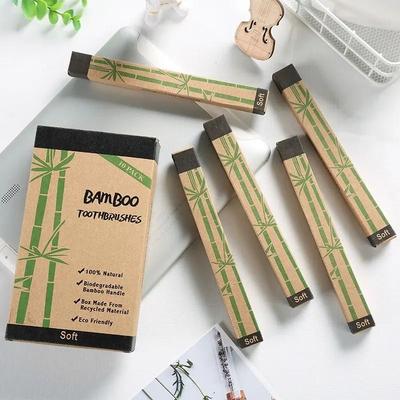
Uplift Essentials Natural Eco Friendly Bamboo Toothbrush Set With Individual Cowhide Wrap 10 Piece Value Pack Natural Eco Friendly Bamboo Toothbrush Set With Individual Cowhide Wrap 10 Piece Value PackEmbrace a plasticfree lifestyle with this natural and environmentally friendly bamboo toothbrush set, designed for the conscious consumer. Crafted from sustainable, highquality bamboo, these toothbrushes provide a biodegradable alternative to...37,97 $*Shipping: 0,00 $Secure redirect to the provider
-
Uplift Essentials Natural Wheat Straw & Bamboo Charcoal Infused Soft Toothbrush 10 Piece Eco Friendly Family Set Natural Wheat Straw & Bamboo Charcoal Infused Soft Toothbrush 10 Piece Eco Friendly Family SetNatural Wheat Straw & Bamboo Charcoal Infused Soft Toothbrush 10Piece EcoFriendly Family SetUpgrade your daily oral care with this sustainable wheat straw toothbrush collection, designed for the environmentally conscious household. Each handle is...36,97 $*Shipping: 0,00 $Secure redirect to the provider




-
Which modern and contemporary artists paint in the early period?
Some modern and contemporary artists who paint in the early period style include Eric Fischl, David Hockney, and Neo Rauch. These artists draw inspiration from the techniques and aesthetics of early periods in art history, such as the Renaissance or Baroque periods, but infuse their work with a contemporary twist. Their paintings often feature realistic figures and settings, rich colors, and a strong sense of narrative or emotion, reminiscent of the early period styles they admire. **
-
What did the early modern state look like in Germany?
The early modern state in Germany was characterized by a fragmented political landscape, with over 300 independent states known as principalities, duchies, and free cities. These states were ruled by various monarchs, princes, and city councils, each with their own laws, currencies, and armies. The Holy Roman Empire, a loose confederation of states, provided a nominal overarching authority, but real power was decentralized. This decentralized structure led to frequent conflicts and shifting alliances among the states, contributing to a lack of centralized authority in Germany during this period. **
-
What did the early modern state in Germany look like?
The early modern state in Germany was characterized by a patchwork of independent territories, each ruled by its own prince or noble. These territories were often part of larger entities such as the Holy Roman Empire, but they maintained a significant degree of autonomy. The central authority of the Holy Roman Emperor was weak, and the various territories had their own laws, currencies, and administrative systems. This decentralized political structure contributed to a fragmented and often unstable political landscape in early modern Germany. **
-
Can you provide a summary of the Early Modern period?
The Early Modern period, which lasted from the late 15th century to the late 18th century, was a time of significant social, political, and cultural change. It saw the rise of nation-states, the expansion of global trade and exploration, and the emergence of new scientific and philosophical ideas. This period also witnessed the Protestant Reformation, the Renaissance, and the Enlightenment, all of which had a profound impact on the development of Western civilization. It was a time of great innovation and upheaval, laying the groundwork for the modern world as we know it. **


Why don't eco-friendly women shave?
Eco-friendly women may choose not to shave for a variety of reasons related to sustainability and environmental impact. Shaving requires the use of disposable razors, which contribute to plastic waste in landfills. Additionally, the production and transportation of shaving products can have a significant carbon footprint. By opting not to shave, eco-friendly women can reduce their personal contribution to waste and carbon emissions, aligning with their values of environmental conservation. **
Why are the Portuguese explorations typical of the early modern period?
The Portuguese explorations are typical of the early modern period because they were driven by a combination of factors such as the desire for wealth, the search for new trade routes, and the spread of Christianity. The Portuguese were also motivated by competition with other European powers, particularly Spain, in the race for overseas territories and resources. Additionally, the Portuguese explorations were characterized by the use of advanced navigational technology and techniques, such as the development of the caravel and the use of the astrolabe, which allowed them to venture further into unknown waters. Overall, the Portuguese explorations exemplify the spirit of adventure, curiosity, and ambition that defined the early modern period. **
Top-Angebote
Products related to Early:
-
Uplift Essentials Natural Bamboo Eco Friendly Toothbrush 10 Piece Sustainable Family Pack Natural Bamboo Eco Friendly Toothbrush 10 Piece Sustainable Family PackTransition to a greener routine with this Natural Bamboo Toothbrush Set, a premium collection of bamboo products designed to reduce environmental impact without compromising on performance. Each handle is crafted from 100% sustainable bamboo,...37,97 $*Shipping: 0,00 $Secure redirect to the provider
-
Uplift Essentials Natural Eco Friendly Bamboo Toothbrush Set Colorful 10 Piece Value Pack Natural Eco Friendly Bamboo Toothbrush Set Colorful 10 Piece Value PackSwitch to a greener routine with this natural bamboo toothbrush set, designed to combine sustainability with a vibrant, modern aesthetic. Crafted from 100% renewable bamboo, these toothbrushes offer a lightweight and biodegradable alternative to...44,97 $*Shipping: 0,00 $Secure redirect to the provider
-
Uplift Essentials Natural Eco Friendly Bamboo Toothbrush Set With Individual Cowhide Wrap 10 Piece Value Pack Natural Eco Friendly Bamboo Toothbrush Set With Individual Cowhide Wrap 10 Piece Value PackEmbrace a plasticfree lifestyle with this natural and environmentally friendly bamboo toothbrush set, designed for the conscious consumer. Crafted from sustainable, highquality bamboo, these toothbrushes provide a biodegradable alternative to...37,97 $*Shipping: 0,00 $Secure redirect to the provider
-
Uplift Essentials Natural Wheat Straw & Bamboo Charcoal Infused Soft Toothbrush 10 Piece Eco Friendly Family Set Natural Wheat Straw & Bamboo Charcoal Infused Soft Toothbrush 10 Piece Eco Friendly Family SetNatural Wheat Straw & Bamboo Charcoal Infused Soft Toothbrush 10Piece EcoFriendly Family SetUpgrade your daily oral care with this sustainable wheat straw toothbrush collection, designed for the environmentally conscious household. Each handle is...36,97 $*Shipping: 0,00 $Secure redirect to the provider
-
Continuity or Change in the Early Modern Period?
The Early Modern Period, spanning from the 15th to 18th centuries, was characterized by a mix of continuity and change. Continuity was seen in the persistence of feudal social structures, religious beliefs, and traditional forms of governance. However, significant changes also occurred during this period, such as the rise of nation-states, the exploration and colonization of new territories, the Protestant Reformation, and the Scientific Revolution. Overall, the Early Modern Period was a time of transition and transformation, with both elements of continuity and change shaping the era. **
-
What were the gender roles in the Early Modern period?
In the Early Modern period, gender roles were largely defined by traditional expectations and societal norms. Men were typically seen as the primary breadwinners and decision-makers, responsible for providing for their families and holding positions of authority in society. Women, on the other hand, were expected to focus on domestic duties, such as caring for the household and children. They had limited opportunities for education and employment outside the home, and their social status was often tied to their roles as wives and mothers. Overall, gender roles were highly stratified and reinforced by cultural and religious beliefs of the time. **
-
Which modern and contemporary artists paint in the early period?
Some modern and contemporary artists who paint in the early period style include Eric Fischl, David Hockney, and Neo Rauch. These artists draw inspiration from the techniques and aesthetics of early periods in art history, such as the Renaissance or Baroque periods, but infuse their work with a contemporary twist. Their paintings often feature realistic figures and settings, rich colors, and a strong sense of narrative or emotion, reminiscent of the early period styles they admire. **
-
What did the early modern state look like in Germany?
The early modern state in Germany was characterized by a fragmented political landscape, with over 300 independent states known as principalities, duchies, and free cities. These states were ruled by various monarchs, princes, and city councils, each with their own laws, currencies, and armies. The Holy Roman Empire, a loose confederation of states, provided a nominal overarching authority, but real power was decentralized. This decentralized structure led to frequent conflicts and shifting alliances among the states, contributing to a lack of centralized authority in Germany during this period. **
Similar search terms for Early
-
Multicon Wholesale Hub Natural Boar Bristle Bath Brush With Long Handle, Eco Friendly Bamboo Back Scrubber For Skin Exfoliation Natural Boar Bristle Bath Brush With Long Handle, Eco Friendly Bamboo Back Scrubber For Skin Exfoliation"Transform your daily skincare routine with the 15.7""in approx Long Handle Bath Brush, crafted from premium natural boar bristles and ecofriendly bamboo for an environmentally conscious choice. This natural bristles body back scrubber is designed to..."49,97 $*Shipping: 0,00 $Secure redirect to the provider
-
Friendly Fresh Finds Family Pack Bamboo Charcoal Toothbrushes Eco Friendly Soft Bristles For Travel Family Pack Bamboo Charcoal Toothbrushes Eco Friendly Soft Bristles For TravelLooking for a sustainable way to keep your familys smiles fresh Our 10 Pcs Family Pack Bamboo Charcoal Toothbrushes are designed to deliver a gentle yet effective clean. With ecofriendly bamboo handles and soft bristles infused with charcoal, these...31,97 $*Shipping: 0,00 $Secure redirect to the provider
-
What did the early modern state in Germany look like?
The early modern state in Germany was characterized by a patchwork of independent territories, each ruled by its own prince or noble. These territories were often part of larger entities such as the Holy Roman Empire, but they maintained a significant degree of autonomy. The central authority of the Holy Roman Emperor was weak, and the various territories had their own laws, currencies, and administrative systems. This decentralized political structure contributed to a fragmented and often unstable political landscape in early modern Germany. **
-
Can you provide a summary of the Early Modern period?
The Early Modern period, which lasted from the late 15th century to the late 18th century, was a time of significant social, political, and cultural change. It saw the rise of nation-states, the expansion of global trade and exploration, and the emergence of new scientific and philosophical ideas. This period also witnessed the Protestant Reformation, the Renaissance, and the Enlightenment, all of which had a profound impact on the development of Western civilization. It was a time of great innovation and upheaval, laying the groundwork for the modern world as we know it. **
-
Why don't eco-friendly women shave?
Eco-friendly women may choose not to shave for a variety of reasons related to sustainability and environmental impact. Shaving requires the use of disposable razors, which contribute to plastic waste in landfills. Additionally, the production and transportation of shaving products can have a significant carbon footprint. By opting not to shave, eco-friendly women can reduce their personal contribution to waste and carbon emissions, aligning with their values of environmental conservation. **
-
Why are the Portuguese explorations typical of the early modern period?
The Portuguese explorations are typical of the early modern period because they were driven by a combination of factors such as the desire for wealth, the search for new trade routes, and the spread of Christianity. The Portuguese were also motivated by competition with other European powers, particularly Spain, in the race for overseas territories and resources. Additionally, the Portuguese explorations were characterized by the use of advanced navigational technology and techniques, such as the development of the caravel and the use of the astrolabe, which allowed them to venture further into unknown waters. Overall, the Portuguese explorations exemplify the spirit of adventure, curiosity, and ambition that defined the early modern period. **
* All prices are inclusive of VAT and, if applicable, plus shipping costs. The offer information is based on the details provided by the respective shop and is updated through automated processes. Real-time updates do not occur, so deviations can occur in individual cases. ** Note: Parts of this content were created by AI.