Buy dasso.eu ?
We are moving the project
dasso.eu .
Are you interested in purchasing the domain
dasso.eu ?
domain@kv-gmbh.de · 0541-91531010
Buy dasso.eu ?
How do monoculture forests differ from natural mixed forests?
Monoculture forests are composed of a single species of tree, typically planted in rows for commercial purposes such as timber production. These forests lack the diversity of species found in natural mixed forests, which contain a variety of tree species, as well as other plants and wildlife. Natural mixed forests are more resilient to pests, diseases, and climate change, as the diversity of species provides a more stable ecosystem. Monoculture forests are more vulnerable to these threats, as a single pest or disease can devastate the entire forest. **
When are forests considered to be sparse forests?
Forests are considered to be sparse when the density of trees and vegetation is low, with significant gaps between individual trees and less overall coverage. This can be due to factors such as poor soil quality, limited water availability, or natural disturbances like wildfires or insect infestations. Sparse forests may also result from human activities such as logging or land clearing. In these areas, the canopy cover is less dense, allowing more light to reach the forest floor and creating a different ecological environment compared to denser forests. **
Similar search terms for Forests
Top-Angebote
Products related to Forests:
-
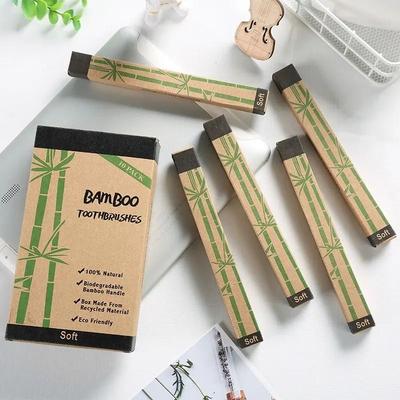
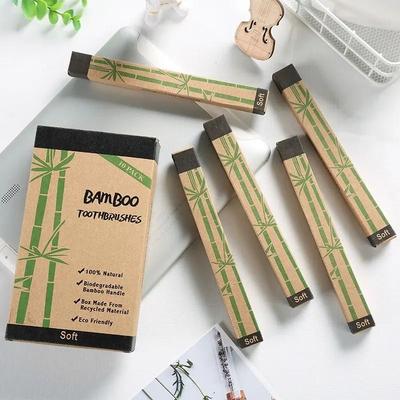
Uplift Essentials Natural Eco Friendly Bamboo Toothbrush Set Colorful 10 Piece Value Pack Natural Eco Friendly Bamboo Toothbrush Set Colorful 10 Piece Value PackSwitch to a greener routine with this natural bamboo toothbrush set, designed to combine sustainability with a vibrant, modern aesthetic. Crafted from 100% renewable bamboo, these toothbrushes offer a lightweight and biodegradable alternative to...44,97 $*Shipping: 0,00 $Secure redirect to the provider
-
Uplift Essentials Natural Wheat Straw & Bamboo Charcoal Infused Soft Toothbrush 10 Piece Eco Friendly Family Set Natural Wheat Straw & Bamboo Charcoal Infused Soft Toothbrush 10 Piece Eco Friendly Family SetNatural Wheat Straw & Bamboo Charcoal Infused Soft Toothbrush 10Piece EcoFriendly Family SetUpgrade your daily oral care with this sustainable wheat straw toothbrush collection, designed for the environmentally conscious household. Each handle is...36,97 $*Shipping: 0,00 $Secure redirect to the provider
-
Uplift Essentials Natural Eco Friendly Bamboo Toothbrush Set With Individual Cowhide Wrap 10 Piece Value Pack Natural Eco Friendly Bamboo Toothbrush Set With Individual Cowhide Wrap 10 Piece Value PackEmbrace a plasticfree lifestyle with this natural and environmentally friendly bamboo toothbrush set, designed for the conscious consumer. Crafted from sustainable, highquality bamboo, these toothbrushes provide a biodegradable alternative to...37,97 $*Shipping: 0,00 $Secure redirect to the provider



-
Are there any natural forests left anywhere on Earth?
Yes, there are still natural forests left on Earth, although they are increasingly rare and threatened by deforestation. Some of the largest remaining natural forests can be found in the Amazon Basin, the Congo Basin, and the boreal forests of Canada and Russia. These forests are important for biodiversity, carbon sequestration, and providing essential ecosystem services. Efforts to protect and conserve these natural forests are crucial for the health of the planet. **
-
What do Finns do for the sustainability of forests and the timber industry?
Finns have a long tradition of sustainable forest management, which includes practices such as selective logging, reforestation, and protecting biodiversity. The Finnish government also enforces strict regulations on forestry activities to ensure the long-term health of the forests. Additionally, Finland has certification systems in place, such as the PEFC and FSC, to guarantee that timber products come from sustainably managed forests. Overall, Finns prioritize the sustainability of their forests and the timber industry to ensure that these resources can be enjoyed for generations to come. **
-
What do Finns do for the sustainability of forests and the wood industry?
Finns have a long tradition of sustainable forest management, which includes responsible logging practices, reforestation efforts, and protection of biodiversity. The Finnish wood industry also prioritizes sustainability by promoting the use of certified wood products, investing in research and development of sustainable forestry practices, and ensuring that the industry operates in an environmentally friendly manner. Additionally, Finland has strict regulations and certification systems in place to ensure that forests are managed in a sustainable way, and the government actively promotes sustainable forest management through various policies and initiatives. **
-
Will our forests survive?
The survival of our forests depends on the actions we take to protect and preserve them. Deforestation, climate change, and unsustainable logging practices are major threats to our forests. By implementing sustainable forest management practices, protecting biodiversity, and combating climate change, we can help ensure the survival of our forests for future generations. It is crucial that we prioritize conservation efforts and work together to protect these vital ecosystems. **


How does the pH value differ in coniferous forests and deciduous forests?
The pH value in coniferous forests tends to be more acidic, typically ranging from 4.5 to 6.0, due to the accumulation of acidic needles and organic matter from the trees. In contrast, the pH value in deciduous forests is generally more neutral, ranging from 6.0 to 7.5, as the fallen leaves and organic matter from deciduous trees tend to have a less acidic impact on the soil. This difference in pH levels can affect the types of plants and organisms that thrive in each type of forest ecosystem. **
What are the abiotic differences between natural mixed forests and monocultures?
Natural mixed forests have a greater diversity of abiotic factors such as soil types, moisture levels, and microclimates, leading to a wider range of environmental conditions for different species to thrive. In contrast, monocultures have a more uniform abiotic environment, with consistent soil type, moisture levels, and microclimates. This can lead to less resilience to environmental changes and a higher susceptibility to pests and diseases. Additionally, natural mixed forests tend to have a more complex and interconnected root system, which can improve soil structure and nutrient cycling, while monocultures may have a more simplified and less resilient root system. **
Top-Angebote
Products related to Forests:
-
Uplift Essentials Natural Bamboo Eco Friendly Toothbrush 10 Piece Sustainable Family Pack Natural Bamboo Eco Friendly Toothbrush 10 Piece Sustainable Family PackTransition to a greener routine with this Natural Bamboo Toothbrush Set, a premium collection of bamboo products designed to reduce environmental impact without compromising on performance. Each handle is crafted from 100% sustainable bamboo,...37,97 $*Shipping: 0,00 $Secure redirect to the provider
-
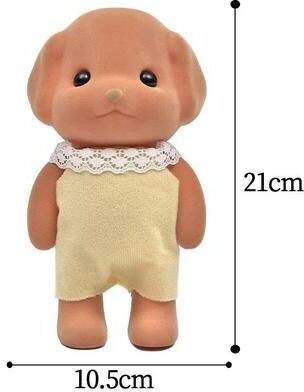
Uplifted Finds Forests Familys Animal Figure With Movable Limbs And Phone Stand Holder dogAdd a touch of whimsical charm to your workspace with this adorable Forests Familys animal figure. Standing at 21cm, this multifunctional ornament is designed with movable limbs, allowing you to pose your favorite character in various cute...79,97 $*Shipping: 0,00 $Secure redirect to the provider
-
Uplift Essentials Natural Eco Friendly Bamboo Toothbrush Set Colorful 10 Piece Value Pack Natural Eco Friendly Bamboo Toothbrush Set Colorful 10 Piece Value PackSwitch to a greener routine with this natural bamboo toothbrush set, designed to combine sustainability with a vibrant, modern aesthetic. Crafted from 100% renewable bamboo, these toothbrushes offer a lightweight and biodegradable alternative to...44,97 $*Shipping: 0,00 $Secure redirect to the provider
-
Uplift Essentials Natural Wheat Straw & Bamboo Charcoal Infused Soft Toothbrush 10 Piece Eco Friendly Family Set Natural Wheat Straw & Bamboo Charcoal Infused Soft Toothbrush 10 Piece Eco Friendly Family SetNatural Wheat Straw & Bamboo Charcoal Infused Soft Toothbrush 10Piece EcoFriendly Family SetUpgrade your daily oral care with this sustainable wheat straw toothbrush collection, designed for the environmentally conscious household. Each handle is...36,97 $*Shipping: 0,00 $Secure redirect to the provider
-
How do monoculture forests differ from natural mixed forests?
Monoculture forests are composed of a single species of tree, typically planted in rows for commercial purposes such as timber production. These forests lack the diversity of species found in natural mixed forests, which contain a variety of tree species, as well as other plants and wildlife. Natural mixed forests are more resilient to pests, diseases, and climate change, as the diversity of species provides a more stable ecosystem. Monoculture forests are more vulnerable to these threats, as a single pest or disease can devastate the entire forest. **
-
When are forests considered to be sparse forests?
Forests are considered to be sparse when the density of trees and vegetation is low, with significant gaps between individual trees and less overall coverage. This can be due to factors such as poor soil quality, limited water availability, or natural disturbances like wildfires or insect infestations. Sparse forests may also result from human activities such as logging or land clearing. In these areas, the canopy cover is less dense, allowing more light to reach the forest floor and creating a different ecological environment compared to denser forests. **
-
Are there any natural forests left anywhere on Earth?
Yes, there are still natural forests left on Earth, although they are increasingly rare and threatened by deforestation. Some of the largest remaining natural forests can be found in the Amazon Basin, the Congo Basin, and the boreal forests of Canada and Russia. These forests are important for biodiversity, carbon sequestration, and providing essential ecosystem services. Efforts to protect and conserve these natural forests are crucial for the health of the planet. **
-
What do Finns do for the sustainability of forests and the timber industry?
Finns have a long tradition of sustainable forest management, which includes practices such as selective logging, reforestation, and protecting biodiversity. The Finnish government also enforces strict regulations on forestry activities to ensure the long-term health of the forests. Additionally, Finland has certification systems in place, such as the PEFC and FSC, to guarantee that timber products come from sustainably managed forests. Overall, Finns prioritize the sustainability of their forests and the timber industry to ensure that these resources can be enjoyed for generations to come. **
Similar search terms for Forests
-
Uplift Essentials Natural Eco Friendly Bamboo Toothbrush Set With Individual Cowhide Wrap 10 Piece Value Pack Natural Eco Friendly Bamboo Toothbrush Set With Individual Cowhide Wrap 10 Piece Value PackEmbrace a plasticfree lifestyle with this natural and environmentally friendly bamboo toothbrush set, designed for the conscious consumer. Crafted from sustainable, highquality bamboo, these toothbrushes provide a biodegradable alternative to...37,97 $*Shipping: 0,00 $Secure redirect to the provider
-
Friendly Fresh Finds Family Pack Bamboo Charcoal Toothbrushes Eco Friendly Soft Bristles For Travel Family Pack Bamboo Charcoal Toothbrushes Eco Friendly Soft Bristles For TravelLooking for a sustainable way to keep your familys smiles fresh Our 10 Pcs Family Pack Bamboo Charcoal Toothbrushes are designed to deliver a gentle yet effective clean. With ecofriendly bamboo handles and soft bristles infused with charcoal, these...31,97 $*Shipping: 0,00 $Secure redirect to the provider
-
What do Finns do for the sustainability of forests and the wood industry?
Finns have a long tradition of sustainable forest management, which includes responsible logging practices, reforestation efforts, and protection of biodiversity. The Finnish wood industry also prioritizes sustainability by promoting the use of certified wood products, investing in research and development of sustainable forestry practices, and ensuring that the industry operates in an environmentally friendly manner. Additionally, Finland has strict regulations and certification systems in place to ensure that forests are managed in a sustainable way, and the government actively promotes sustainable forest management through various policies and initiatives. **
-
Will our forests survive?
The survival of our forests depends on the actions we take to protect and preserve them. Deforestation, climate change, and unsustainable logging practices are major threats to our forests. By implementing sustainable forest management practices, protecting biodiversity, and combating climate change, we can help ensure the survival of our forests for future generations. It is crucial that we prioritize conservation efforts and work together to protect these vital ecosystems. **
-
How does the pH value differ in coniferous forests and deciduous forests?
The pH value in coniferous forests tends to be more acidic, typically ranging from 4.5 to 6.0, due to the accumulation of acidic needles and organic matter from the trees. In contrast, the pH value in deciduous forests is generally more neutral, ranging from 6.0 to 7.5, as the fallen leaves and organic matter from deciduous trees tend to have a less acidic impact on the soil. This difference in pH levels can affect the types of plants and organisms that thrive in each type of forest ecosystem. **
-
What are the abiotic differences between natural mixed forests and monocultures?
Natural mixed forests have a greater diversity of abiotic factors such as soil types, moisture levels, and microclimates, leading to a wider range of environmental conditions for different species to thrive. In contrast, monocultures have a more uniform abiotic environment, with consistent soil type, moisture levels, and microclimates. This can lead to less resilience to environmental changes and a higher susceptibility to pests and diseases. Additionally, natural mixed forests tend to have a more complex and interconnected root system, which can improve soil structure and nutrient cycling, while monocultures may have a more simplified and less resilient root system. **
* All prices are inclusive of VAT and, if applicable, plus shipping costs. The offer information is based on the details provided by the respective shop and is updated through automated processes. Real-time updates do not occur, so deviations can occur in individual cases. ** Note: Parts of this content were created by AI.