Buy dasso.eu ?
We are moving the project
dasso.eu .
Are you interested in purchasing the domain
dasso.eu ?
domain@kv-gmbh.de · 0541-91531010
Buy dasso.eu ?
Is a natural elimination of glyphosate from the body possible?
Yes, the human body can naturally eliminate glyphosate through a process called metabolism. Glyphosate is broken down in the liver by enzymes and then excreted through urine or feces. However, in cases of high or chronic exposure, the body may not be able to eliminate glyphosate fast enough, leading to potential health risks. It is important to limit exposure to glyphosate by following safety guidelines and consuming organic foods whenever possible. **
Is a natural detoxification of glyphosate from the body possible?
Glyphosate is primarily eliminated from the body through urine and feces. The liver plays a crucial role in breaking down glyphosate into metabolites that are then excreted. While the body has natural detoxification mechanisms in place, excessive exposure to glyphosate can overwhelm these processes. Eating a healthy diet, staying hydrated, and maintaining a balanced lifestyle can support the body's natural detoxification pathways and help eliminate glyphosate from the body. **
Similar search terms for Glyphosate
Top-Angebote
Products related to Glyphosate:
-
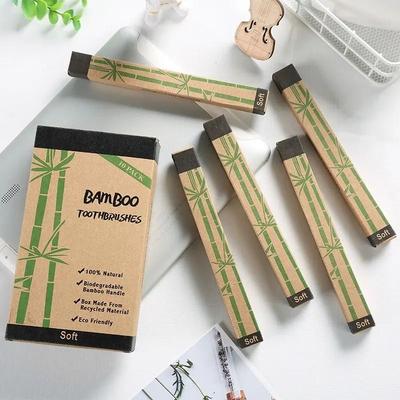
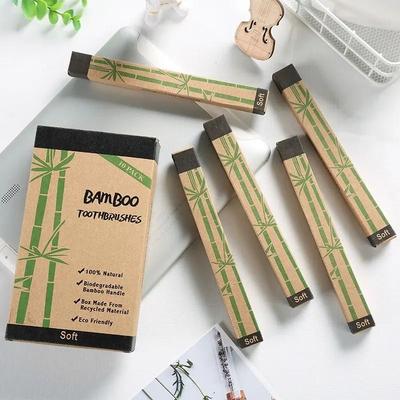
Uplift Essentials Natural Eco Friendly Bamboo Toothbrush Set With Individual Cowhide Wrap 10 Piece Value Pack Natural Eco Friendly Bamboo Toothbrush Set With Individual Cowhide Wrap 10 Piece Value PackEmbrace a plasticfree lifestyle with this natural and environmentally friendly bamboo toothbrush set, designed for the conscious consumer. Crafted from sustainable, highquality bamboo, these toothbrushes provide a biodegradable alternative to...37,97 $*Shipping: 0,00 $Secure redirect to the provider
-
Uplift Essentials Natural Wheat Straw & Bamboo Charcoal Infused Soft Toothbrush 10 Piece Eco Friendly Family Set Natural Wheat Straw & Bamboo Charcoal Infused Soft Toothbrush 10 Piece Eco Friendly Family SetNatural Wheat Straw & Bamboo Charcoal Infused Soft Toothbrush 10Piece EcoFriendly Family SetUpgrade your daily oral care with this sustainable wheat straw toothbrush collection, designed for the environmentally conscious household. Each handle is...36,97 $*Shipping: 0,00 $Secure redirect to the provider



-
Is glyphosate an organic compound?
No, glyphosate is not an organic compound. It is a synthetic compound that is classified as an organophosphorus compound. Glyphosate is a broad-spectrum herbicide that is widely used in agriculture to kill weeds. Organic compounds, on the other hand, are compounds that contain carbon-hydrogen bonds and are typically found in living organisms. **
-
How does glyphosate affect surfaces?
Glyphosate, the active ingredient in many herbicides, can affect surfaces in several ways. When applied to plants, glyphosate is absorbed and inhibits the production of essential amino acids, leading to the death of the plant. This can result in the surfaces becoming dry and brittle as the plants die off. Additionally, glyphosate can also bind to soil particles, potentially affecting the soil surface and its ability to support plant growth. Overall, glyphosate can have a significant impact on the surfaces it comes into contact with, leading to changes in plant and soil health. **
-
Should glyphosate be banned as far as possible?
The decision to ban glyphosate should be based on a thorough evaluation of its risks and benefits. While glyphosate is a widely used herbicide that helps control weeds and increase crop yields, there are concerns about its potential health and environmental impacts. If safer alternatives are available and feasible, then glyphosate should be phased out to minimize these risks. However, a complete ban may have negative consequences for farmers and food production, so a balanced approach considering all factors is necessary. **
-
How is a glyphosate-resistant soybean plant produced?
A glyphosate-resistant soybean plant is produced through a process called genetic engineering. Scientists identify and isolate the gene responsible for glyphosate resistance, often from a bacterium called Agrobacterium sp. strain CP4. This gene is then inserted into the soybean plant's genome using a technique called gene transfer. The resulting genetically modified soybean plant is able to produce an enzyme that degrades glyphosate, allowing it to survive exposure to the herbicide. This process allows farmers to effectively control weeds in their soybean fields without harming the crop. **


How can I create a research paper on glyphosate?
To create a research paper on glyphosate, start by conducting a thorough literature review to understand the current state of research on the topic. This will help you identify gaps in the existing knowledge and formulate a research question. Next, design a research methodology that will allow you to collect and analyze data related to glyphosate, such as its effects on human health, the environment, and its use in agriculture. Ensure that your research paper includes a clear introduction, literature review, methodology, results, discussion, and conclusion. Finally, make sure to cite all sources properly and adhere to the formatting guidelines provided by your instructor or the publication you are submitting to. **
What is the concentration of glyphosate in water bodies?
The concentration of glyphosate in water bodies can vary depending on factors such as agricultural runoff, application rates, and proximity to areas where glyphosate is used. Studies have found that glyphosate can be detected in surface water, groundwater, and even drinking water sources. The concentration of glyphosate in water bodies is a concern because of its potential impact on aquatic ecosystems and human health. Regulatory agencies in different countries have set limits on the allowable concentration of glyphosate in water to protect the environment and public health. **
Top-Angebote
Products related to Glyphosate:
-
Uplift Essentials Natural Bamboo Eco Friendly Toothbrush 10 Piece Sustainable Family Pack Natural Bamboo Eco Friendly Toothbrush 10 Piece Sustainable Family PackTransition to a greener routine with this Natural Bamboo Toothbrush Set, a premium collection of bamboo products designed to reduce environmental impact without compromising on performance. Each handle is crafted from 100% sustainable bamboo,...37,97 $*Shipping: 0,00 $Secure redirect to the provider
-
Uplift Essentials Natural Eco Friendly Bamboo Toothbrush Set Colorful 10 Piece Value Pack Natural Eco Friendly Bamboo Toothbrush Set Colorful 10 Piece Value PackSwitch to a greener routine with this natural bamboo toothbrush set, designed to combine sustainability with a vibrant, modern aesthetic. Crafted from 100% renewable bamboo, these toothbrushes offer a lightweight and biodegradable alternative to...44,97 $*Shipping: 0,00 $Secure redirect to the provider
-
Uplift Essentials Natural Eco Friendly Bamboo Toothbrush Set With Individual Cowhide Wrap 10 Piece Value Pack Natural Eco Friendly Bamboo Toothbrush Set With Individual Cowhide Wrap 10 Piece Value PackEmbrace a plasticfree lifestyle with this natural and environmentally friendly bamboo toothbrush set, designed for the conscious consumer. Crafted from sustainable, highquality bamboo, these toothbrushes provide a biodegradable alternative to...37,97 $*Shipping: 0,00 $Secure redirect to the provider
-
Uplift Essentials Natural Wheat Straw & Bamboo Charcoal Infused Soft Toothbrush 10 Piece Eco Friendly Family Set Natural Wheat Straw & Bamboo Charcoal Infused Soft Toothbrush 10 Piece Eco Friendly Family SetNatural Wheat Straw & Bamboo Charcoal Infused Soft Toothbrush 10Piece EcoFriendly Family SetUpgrade your daily oral care with this sustainable wheat straw toothbrush collection, designed for the environmentally conscious household. Each handle is...36,97 $*Shipping: 0,00 $Secure redirect to the provider
-
Is a natural elimination of glyphosate from the body possible?
Yes, the human body can naturally eliminate glyphosate through a process called metabolism. Glyphosate is broken down in the liver by enzymes and then excreted through urine or feces. However, in cases of high or chronic exposure, the body may not be able to eliminate glyphosate fast enough, leading to potential health risks. It is important to limit exposure to glyphosate by following safety guidelines and consuming organic foods whenever possible. **
-
Is a natural detoxification of glyphosate from the body possible?
Glyphosate is primarily eliminated from the body through urine and feces. The liver plays a crucial role in breaking down glyphosate into metabolites that are then excreted. While the body has natural detoxification mechanisms in place, excessive exposure to glyphosate can overwhelm these processes. Eating a healthy diet, staying hydrated, and maintaining a balanced lifestyle can support the body's natural detoxification pathways and help eliminate glyphosate from the body. **
-
Is glyphosate an organic compound?
No, glyphosate is not an organic compound. It is a synthetic compound that is classified as an organophosphorus compound. Glyphosate is a broad-spectrum herbicide that is widely used in agriculture to kill weeds. Organic compounds, on the other hand, are compounds that contain carbon-hydrogen bonds and are typically found in living organisms. **
-
How does glyphosate affect surfaces?
Glyphosate, the active ingredient in many herbicides, can affect surfaces in several ways. When applied to plants, glyphosate is absorbed and inhibits the production of essential amino acids, leading to the death of the plant. This can result in the surfaces becoming dry and brittle as the plants die off. Additionally, glyphosate can also bind to soil particles, potentially affecting the soil surface and its ability to support plant growth. Overall, glyphosate can have a significant impact on the surfaces it comes into contact with, leading to changes in plant and soil health. **
Similar search terms for Glyphosate
-
Friendly Fresh Finds Family Pack Bamboo Charcoal Toothbrushes Eco Friendly Soft Bristles For Travel Family Pack Bamboo Charcoal Toothbrushes Eco Friendly Soft Bristles For TravelLooking for a sustainable way to keep your familys smiles fresh Our 10 Pcs Family Pack Bamboo Charcoal Toothbrushes are designed to deliver a gentle yet effective clean. With ecofriendly bamboo handles and soft bristles infused with charcoal, these...31,97 $*Shipping: 0,00 $Secure redirect to the provider
-
Multicon Wholesale Hub Natural Boar Bristle Bath Brush With Long Handle, Eco Friendly Bamboo Back Scrubber For Skin Exfoliation Natural Boar Bristle Bath Brush With Long Handle, Eco Friendly Bamboo Back Scrubber For Skin Exfoliation"Transform your daily skincare routine with the 15.7""in approx Long Handle Bath Brush, crafted from premium natural boar bristles and ecofriendly bamboo for an environmentally conscious choice. This natural bristles body back scrubber is designed to..."49,97 $*Shipping: 0,00 $Secure redirect to the provider
-
Should glyphosate be banned as far as possible?
The decision to ban glyphosate should be based on a thorough evaluation of its risks and benefits. While glyphosate is a widely used herbicide that helps control weeds and increase crop yields, there are concerns about its potential health and environmental impacts. If safer alternatives are available and feasible, then glyphosate should be phased out to minimize these risks. However, a complete ban may have negative consequences for farmers and food production, so a balanced approach considering all factors is necessary. **
-
How is a glyphosate-resistant soybean plant produced?
A glyphosate-resistant soybean plant is produced through a process called genetic engineering. Scientists identify and isolate the gene responsible for glyphosate resistance, often from a bacterium called Agrobacterium sp. strain CP4. This gene is then inserted into the soybean plant's genome using a technique called gene transfer. The resulting genetically modified soybean plant is able to produce an enzyme that degrades glyphosate, allowing it to survive exposure to the herbicide. This process allows farmers to effectively control weeds in their soybean fields without harming the crop. **
-
How can I create a research paper on glyphosate?
To create a research paper on glyphosate, start by conducting a thorough literature review to understand the current state of research on the topic. This will help you identify gaps in the existing knowledge and formulate a research question. Next, design a research methodology that will allow you to collect and analyze data related to glyphosate, such as its effects on human health, the environment, and its use in agriculture. Ensure that your research paper includes a clear introduction, literature review, methodology, results, discussion, and conclusion. Finally, make sure to cite all sources properly and adhere to the formatting guidelines provided by your instructor or the publication you are submitting to. **
-
What is the concentration of glyphosate in water bodies?
The concentration of glyphosate in water bodies can vary depending on factors such as agricultural runoff, application rates, and proximity to areas where glyphosate is used. Studies have found that glyphosate can be detected in surface water, groundwater, and even drinking water sources. The concentration of glyphosate in water bodies is a concern because of its potential impact on aquatic ecosystems and human health. Regulatory agencies in different countries have set limits on the allowable concentration of glyphosate in water to protect the environment and public health. **
* All prices are inclusive of VAT and, if applicable, plus shipping costs. The offer information is based on the details provided by the respective shop and is updated through automated processes. Real-time updates do not occur, so deviations can occur in individual cases. ** Note: Parts of this content were created by AI.