Buy dasso.eu ?
We are moving the project
dasso.eu .
Are you interested in purchasing the domain
dasso.eu ?
domain@kv-gmbh.de · 0541-91531010
Buy dasso.eu ?
Is a halogenalkane hydrophobic?
Yes, halogenalkanes are generally hydrophobic. This is because the carbon-halogen bond is nonpolar, meaning it does not interact well with polar water molecules. As a result, halogenalkanes tend to be insoluble in water and more soluble in nonpolar solvents. **
Is O2 hydrophilic or hydrophobic?
O2, or molecular oxygen, is hydrophobic. This means that it does not readily mix with or dissolve in water. Instead, O2 tends to repel water and form separate phases. This is why O2 can be found as bubbles in water, as it does not easily dissolve into the liquid. **
Similar search terms for Hydrophobic
Top-Angebote
Products related to Hydrophobic:
-
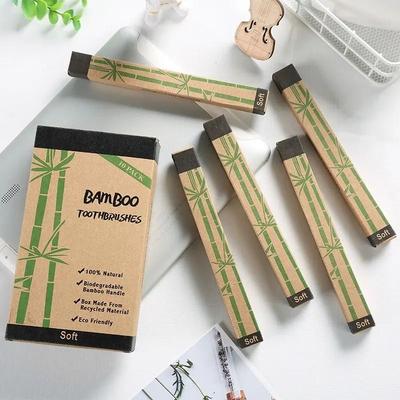
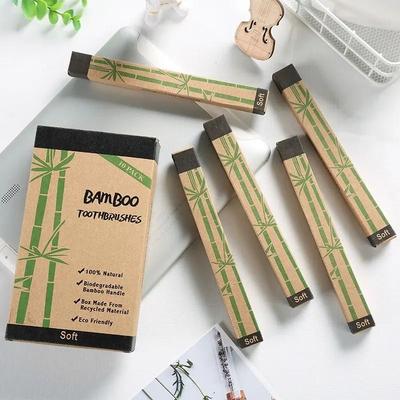
Uplift Essentials Natural Eco Friendly Bamboo Toothbrush Set With Individual Cowhide Wrap 10 Piece Value Pack Natural Eco Friendly Bamboo Toothbrush Set With Individual Cowhide Wrap 10 Piece Value PackEmbrace a plasticfree lifestyle with this natural and environmentally friendly bamboo toothbrush set, designed for the conscious consumer. Crafted from sustainable, highquality bamboo, these toothbrushes provide a biodegradable alternative to...37,97 $*Shipping: 0,00 $Secure redirect to the provider
-
Uplift Essentials Natural Wheat Straw & Bamboo Charcoal Infused Soft Toothbrush 10 Piece Eco Friendly Family Set Natural Wheat Straw & Bamboo Charcoal Infused Soft Toothbrush 10 Piece Eco Friendly Family SetNatural Wheat Straw & Bamboo Charcoal Infused Soft Toothbrush 10Piece EcoFriendly Family SetUpgrade your daily oral care with this sustainable wheat straw toothbrush collection, designed for the environmentally conscious household. Each handle is...36,97 $*Shipping: 0,00 $Secure redirect to the provider



-
Is lemon juice hydrophilic or hydrophobic?
Lemon juice is hydrophilic, meaning it is attracted to water. This is because lemon juice contains a high concentration of water and is also acidic, which allows it to easily mix and dissolve in water. When added to water, lemon juice readily disperses and forms a homogeneous solution, demonstrating its hydrophilic nature. **
-
What is a disruption of hydrophobic interactions?
A disruption of hydrophobic interactions occurs when the nonpolar regions of molecules that are normally attracted to each other are separated or disturbed. Hydrophobic interactions are driven by the tendency of nonpolar molecules to minimize their contact with water, and when these interactions are disrupted, it can lead to changes in the structure and stability of proteins, membranes, and other biological molecules. This disruption can be caused by factors such as changes in temperature, pH, or the presence of other molecules that interfere with the hydrophobic interactions. **
-
How can one reacquaint hydrophobic individuals with water?
One way to reacquaint hydrophobic individuals with water is to start slowly by introducing them to water in a comfortable and controlled environment, such as a shallow pool or calm lake. Encouraging them to participate in water-based activities that they enjoy, such as swimming or water sports, can help build positive associations with water. Providing support and reassurance throughout the process can also help alleviate any fears or anxieties they may have about being in water. Gradually increasing exposure to water over time, while focusing on the enjoyable aspects of being in water, can help hydrophobic individuals overcome their fear and develop a more positive relationship with water. **
-
Do hydrophilic and hydrophobic substances repel each other?
Hydrophilic and hydrophobic substances do not necessarily repel each other. In fact, they often interact in a way that is described as "like dissolves like." This means that hydrophilic substances, which are attracted to water, will interact with other hydrophilic substances, while hydrophobic substances, which repel water, will interact with other hydrophobic substances. However, in some cases, hydrophilic and hydrophobic substances may repel each other, depending on the specific properties of the substances and the conditions of the interaction. **


Why are alkyl groups hydrophobic and hydroxyl groups hydrophilic?
Alkyl groups are hydrophobic because they consist of nonpolar carbon and hydrogen atoms, which do not interact well with water molecules. This causes them to repel water and prefer to interact with other nonpolar molecules. On the other hand, hydroxyl groups are hydrophilic because they contain a polar covalent bond between oxygen and hydrogen, creating a partial negative charge on the oxygen and a partial positive charge on the hydrogen. This polarity allows hydroxyl groups to form hydrogen bonds with water molecules, making them soluble in water and thus hydrophilic. **
How can glass be coated with a hydrophobic coating?
Glass can be coated with a hydrophobic coating by using a variety of methods such as spray coating, dip coating, or chemical vapor deposition. These methods involve applying a thin layer of hydrophobic material, such as a fluorinated polymer or silica-based coating, onto the surface of the glass. The coating forms a protective barrier that repels water and prevents it from adhering to the glass surface. This makes the glass easier to clean and prevents water spots and stains from forming. **
Top-Angebote
Products related to Hydrophobic:
-
Uplift Essentials Natural Bamboo Eco Friendly Toothbrush 10 Piece Sustainable Family Pack Natural Bamboo Eco Friendly Toothbrush 10 Piece Sustainable Family PackTransition to a greener routine with this Natural Bamboo Toothbrush Set, a premium collection of bamboo products designed to reduce environmental impact without compromising on performance. Each handle is crafted from 100% sustainable bamboo,...37,97 $*Shipping: 0,00 $Secure redirect to the provider
-
Uplift Essentials Natural Eco Friendly Bamboo Toothbrush Set Colorful 10 Piece Value Pack Natural Eco Friendly Bamboo Toothbrush Set Colorful 10 Piece Value PackSwitch to a greener routine with this natural bamboo toothbrush set, designed to combine sustainability with a vibrant, modern aesthetic. Crafted from 100% renewable bamboo, these toothbrushes offer a lightweight and biodegradable alternative to...44,97 $*Shipping: 0,00 $Secure redirect to the provider
-
Uplift Essentials Natural Eco Friendly Bamboo Toothbrush Set With Individual Cowhide Wrap 10 Piece Value Pack Natural Eco Friendly Bamboo Toothbrush Set With Individual Cowhide Wrap 10 Piece Value PackEmbrace a plasticfree lifestyle with this natural and environmentally friendly bamboo toothbrush set, designed for the conscious consumer. Crafted from sustainable, highquality bamboo, these toothbrushes provide a biodegradable alternative to...37,97 $*Shipping: 0,00 $Secure redirect to the provider
-
Uplift Essentials Natural Wheat Straw & Bamboo Charcoal Infused Soft Toothbrush 10 Piece Eco Friendly Family Set Natural Wheat Straw & Bamboo Charcoal Infused Soft Toothbrush 10 Piece Eco Friendly Family SetNatural Wheat Straw & Bamboo Charcoal Infused Soft Toothbrush 10Piece EcoFriendly Family SetUpgrade your daily oral care with this sustainable wheat straw toothbrush collection, designed for the environmentally conscious household. Each handle is...36,97 $*Shipping: 0,00 $Secure redirect to the provider
-
Is a halogenalkane hydrophobic?
Yes, halogenalkanes are generally hydrophobic. This is because the carbon-halogen bond is nonpolar, meaning it does not interact well with polar water molecules. As a result, halogenalkanes tend to be insoluble in water and more soluble in nonpolar solvents. **
-
Is O2 hydrophilic or hydrophobic?
O2, or molecular oxygen, is hydrophobic. This means that it does not readily mix with or dissolve in water. Instead, O2 tends to repel water and form separate phases. This is why O2 can be found as bubbles in water, as it does not easily dissolve into the liquid. **
-
Is lemon juice hydrophilic or hydrophobic?
Lemon juice is hydrophilic, meaning it is attracted to water. This is because lemon juice contains a high concentration of water and is also acidic, which allows it to easily mix and dissolve in water. When added to water, lemon juice readily disperses and forms a homogeneous solution, demonstrating its hydrophilic nature. **
-
What is a disruption of hydrophobic interactions?
A disruption of hydrophobic interactions occurs when the nonpolar regions of molecules that are normally attracted to each other are separated or disturbed. Hydrophobic interactions are driven by the tendency of nonpolar molecules to minimize their contact with water, and when these interactions are disrupted, it can lead to changes in the structure and stability of proteins, membranes, and other biological molecules. This disruption can be caused by factors such as changes in temperature, pH, or the presence of other molecules that interfere with the hydrophobic interactions. **
Similar search terms for Hydrophobic
-
Multicon Wholesale Hub Natural Boar Bristle Bath Brush With Long Handle, Eco Friendly Bamboo Back Scrubber For Skin Exfoliation Natural Boar Bristle Bath Brush With Long Handle, Eco Friendly Bamboo Back Scrubber For Skin Exfoliation"Transform your daily skincare routine with the 15.7""in approx Long Handle Bath Brush, crafted from premium natural boar bristles and ecofriendly bamboo for an environmentally conscious choice. This natural bristles body back scrubber is designed to..."49,97 $*Shipping: 0,00 $Secure redirect to the provider
-
Friendly Fresh Finds Family Pack Bamboo Charcoal Toothbrushes Eco Friendly Soft Bristles For Travel Family Pack Bamboo Charcoal Toothbrushes Eco Friendly Soft Bristles For TravelLooking for a sustainable way to keep your familys smiles fresh Our 10 Pcs Family Pack Bamboo Charcoal Toothbrushes are designed to deliver a gentle yet effective clean. With ecofriendly bamboo handles and soft bristles infused with charcoal, these...31,97 $*Shipping: 0,00 $Secure redirect to the provider
-
How can one reacquaint hydrophobic individuals with water?
One way to reacquaint hydrophobic individuals with water is to start slowly by introducing them to water in a comfortable and controlled environment, such as a shallow pool or calm lake. Encouraging them to participate in water-based activities that they enjoy, such as swimming or water sports, can help build positive associations with water. Providing support and reassurance throughout the process can also help alleviate any fears or anxieties they may have about being in water. Gradually increasing exposure to water over time, while focusing on the enjoyable aspects of being in water, can help hydrophobic individuals overcome their fear and develop a more positive relationship with water. **
-
Do hydrophilic and hydrophobic substances repel each other?
Hydrophilic and hydrophobic substances do not necessarily repel each other. In fact, they often interact in a way that is described as "like dissolves like." This means that hydrophilic substances, which are attracted to water, will interact with other hydrophilic substances, while hydrophobic substances, which repel water, will interact with other hydrophobic substances. However, in some cases, hydrophilic and hydrophobic substances may repel each other, depending on the specific properties of the substances and the conditions of the interaction. **
-
Why are alkyl groups hydrophobic and hydroxyl groups hydrophilic?
Alkyl groups are hydrophobic because they consist of nonpolar carbon and hydrogen atoms, which do not interact well with water molecules. This causes them to repel water and prefer to interact with other nonpolar molecules. On the other hand, hydroxyl groups are hydrophilic because they contain a polar covalent bond between oxygen and hydrogen, creating a partial negative charge on the oxygen and a partial positive charge on the hydrogen. This polarity allows hydroxyl groups to form hydrogen bonds with water molecules, making them soluble in water and thus hydrophilic. **
-
How can glass be coated with a hydrophobic coating?
Glass can be coated with a hydrophobic coating by using a variety of methods such as spray coating, dip coating, or chemical vapor deposition. These methods involve applying a thin layer of hydrophobic material, such as a fluorinated polymer or silica-based coating, onto the surface of the glass. The coating forms a protective barrier that repels water and prevents it from adhering to the glass surface. This makes the glass easier to clean and prevents water spots and stains from forming. **
* All prices are inclusive of VAT and, if applicable, plus shipping costs. The offer information is based on the details provided by the respective shop and is updated through automated processes. Real-time updates do not occur, so deviations can occur in individual cases. ** Note: Parts of this content were created by AI.