Buy dasso.eu ?
We are moving the project
dasso.eu .
Are you interested in purchasing the domain
dasso.eu ?
domain@kv-gmbh.de · 0541-91531010
Buy dasso.eu ?
What is an intransitive relation in mathematics?
In mathematics, an intransitive relation is a relation between elements where the relation does not transfer from one element to another. This means that if element A is related to element B, and element B is related to element C, it does not necessarily mean that element A is related to element C. In other words, the relation does not follow the transitive property. An example of an intransitive relation is the "is a sibling of" relation - if A is a sibling of B, and B is a sibling of C, it does not mean that A is a sibling of C. **
What are transitive and intransitive verbs in Japanese?
Transitive verbs in Japanese are verbs that require a direct object to complete their meaning. For example, the verb "taberu" (to eat) is transitive, as it requires a direct object such as "pan" (bread) to complete the action. Intransitive verbs, on the other hand, do not require a direct object and express an action that is performed without affecting another object. For example, the verb "aruku" (to walk) is intransitive, as it does not require a direct object to complete its meaning. Understanding the difference between transitive and intransitive verbs is important for constructing grammatically correct sentences in Japanese. **
Similar search terms for Intransitive
Top-Angebote
Products related to Intransitive:
-
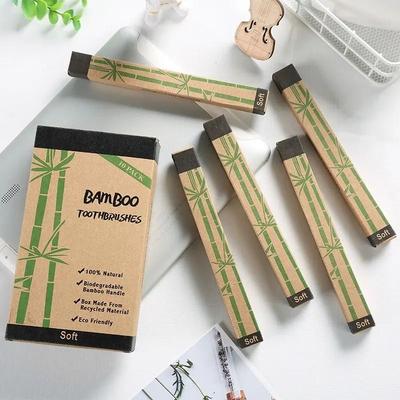
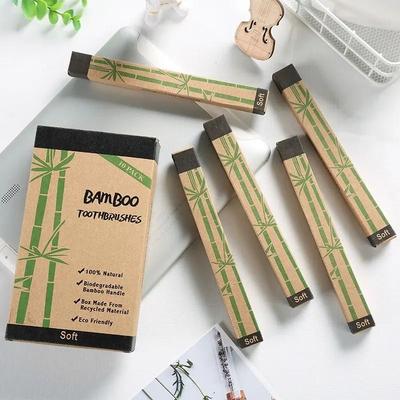
Uplift Essentials Natural Wheat Straw & Bamboo Charcoal Infused Soft Toothbrush 10 Piece Eco Friendly Family Set Natural Wheat Straw & Bamboo Charcoal Infused Soft Toothbrush 10 Piece Eco Friendly Family SetNatural Wheat Straw & Bamboo Charcoal Infused Soft Toothbrush 10Piece EcoFriendly Family SetUpgrade your daily oral care with this sustainable wheat straw toothbrush collection, designed for the environmentally conscious household. Each handle is...36,97 $*Shipping: 0,00 $Secure redirect to the provider
-
Uplift Essentials Natural Eco Friendly Bamboo Toothbrush Set With Individual Cowhide Wrap 10 Piece Value Pack Natural Eco Friendly Bamboo Toothbrush Set With Individual Cowhide Wrap 10 Piece Value PackEmbrace a plasticfree lifestyle with this natural and environmentally friendly bamboo toothbrush set, designed for the conscious consumer. Crafted from sustainable, highquality bamboo, these toothbrushes provide a biodegradable alternative to...37,97 $*Shipping: 0,00 $Secure redirect to the provider



-
What is the difference between transitive and intransitive verbs?
Transitive verbs are verbs that require a direct object to complete their meaning, while intransitive verbs do not require a direct object. For example, in the sentence "She ate the apple," "ate" is a transitive verb because it requires the direct object "the apple" to complete its meaning. In contrast, in the sentence "He sleeps," "sleeps" is an intransitive verb because it does not require a direct object. Intransitive verbs often describe actions that do not transfer to an object, such as movement or states of being. **
-
What is transitive and intransitive in the subject of Italian?
In Italian, transitive and intransitive refer to the type of verbs that can be used with a subject. Transitive verbs require a direct object to complete their meaning, while intransitive verbs do not require a direct object. For example, in the sentence "Lui mangia la mela" (He eats the apple), "mangia" is a transitive verb because it requires a direct object (la mela). On the other hand, in the sentence "Lui dorme" (He sleeps), "dorme" is an intransitive verb because it does not require a direct object. Understanding the difference between transitive and intransitive verbs is important for constructing grammatically correct sentences in Italian. **
-
What is the difference between a transitive and an intransitive verb?
A transitive verb is a verb that requires a direct object to complete its meaning, while an intransitive verb does not require a direct object. For example, in the sentence "She ate the apple," "ate" is a transitive verb because it requires the direct object "the apple" to complete the action. In contrast, in the sentence "He sleeps," "sleeps" is an intransitive verb because it does not require a direct object. **
-
Why don't eco-friendly women shave?
Eco-friendly women may choose not to shave for a variety of reasons related to sustainability and environmental impact. Shaving requires the use of disposable razors, which contribute to plastic waste in landfills. Additionally, the production and transportation of shaving products can have a significant carbon footprint. By opting not to shave, eco-friendly women can reduce their personal contribution to waste and carbon emissions, aligning with their values of environmental conservation. **


Which eco-friendly diapers are the best?
The best eco-friendly diapers are those that are made from sustainable materials such as bamboo, organic cotton, or plant-based fibers. Brands like Bambo Nature, Eco by Naty, and Seventh Generation are popular choices for their commitment to using environmentally friendly materials and reducing their carbon footprint. It's important to look for diapers that are free from harmful chemicals, dyes, and fragrances to ensure they are safe for both your baby and the environment. Ultimately, the best eco-friendly diaper will depend on your personal preferences and values, so it's worth trying a few different brands to see which one works best for you and your baby. **
Can't you lead this eco-friendly life anymore?
Yes, I can still lead an eco-friendly life. Making sustainable choices and reducing my environmental impact is a priority for me. I continue to practice habits such as recycling, reducing waste, conserving energy, and supporting environmentally-friendly products and practices. It is important to me to do my part in protecting the planet for future generations. **
Top-Angebote
Products related to Intransitive:
-
Uplift Essentials Natural Bamboo Eco Friendly Toothbrush 10 Piece Sustainable Family Pack Natural Bamboo Eco Friendly Toothbrush 10 Piece Sustainable Family PackTransition to a greener routine with this Natural Bamboo Toothbrush Set, a premium collection of bamboo products designed to reduce environmental impact without compromising on performance. Each handle is crafted from 100% sustainable bamboo,...37,97 $*Shipping: 0,00 $Secure redirect to the provider
-
Uplift Essentials Natural Eco Friendly Bamboo Toothbrush Set Colorful 10 Piece Value Pack Natural Eco Friendly Bamboo Toothbrush Set Colorful 10 Piece Value PackSwitch to a greener routine with this natural bamboo toothbrush set, designed to combine sustainability with a vibrant, modern aesthetic. Crafted from 100% renewable bamboo, these toothbrushes offer a lightweight and biodegradable alternative to...44,97 $*Shipping: 0,00 $Secure redirect to the provider
-
Uplift Essentials Natural Wheat Straw & Bamboo Charcoal Infused Soft Toothbrush 10 Piece Eco Friendly Family Set Natural Wheat Straw & Bamboo Charcoal Infused Soft Toothbrush 10 Piece Eco Friendly Family SetNatural Wheat Straw & Bamboo Charcoal Infused Soft Toothbrush 10Piece EcoFriendly Family SetUpgrade your daily oral care with this sustainable wheat straw toothbrush collection, designed for the environmentally conscious household. Each handle is...36,97 $*Shipping: 0,00 $Secure redirect to the provider
-
What is an intransitive relation in mathematics?
In mathematics, an intransitive relation is a relation between elements where the relation does not transfer from one element to another. This means that if element A is related to element B, and element B is related to element C, it does not necessarily mean that element A is related to element C. In other words, the relation does not follow the transitive property. An example of an intransitive relation is the "is a sibling of" relation - if A is a sibling of B, and B is a sibling of C, it does not mean that A is a sibling of C. **
-
What are transitive and intransitive verbs in Japanese?
Transitive verbs in Japanese are verbs that require a direct object to complete their meaning. For example, the verb "taberu" (to eat) is transitive, as it requires a direct object such as "pan" (bread) to complete the action. Intransitive verbs, on the other hand, do not require a direct object and express an action that is performed without affecting another object. For example, the verb "aruku" (to walk) is intransitive, as it does not require a direct object to complete its meaning. Understanding the difference between transitive and intransitive verbs is important for constructing grammatically correct sentences in Japanese. **
-
What is the difference between transitive and intransitive verbs?
Transitive verbs are verbs that require a direct object to complete their meaning, while intransitive verbs do not require a direct object. For example, in the sentence "She ate the apple," "ate" is a transitive verb because it requires the direct object "the apple" to complete its meaning. In contrast, in the sentence "He sleeps," "sleeps" is an intransitive verb because it does not require a direct object. Intransitive verbs often describe actions that do not transfer to an object, such as movement or states of being. **
-
What is transitive and intransitive in the subject of Italian?
In Italian, transitive and intransitive refer to the type of verbs that can be used with a subject. Transitive verbs require a direct object to complete their meaning, while intransitive verbs do not require a direct object. For example, in the sentence "Lui mangia la mela" (He eats the apple), "mangia" is a transitive verb because it requires a direct object (la mela). On the other hand, in the sentence "Lui dorme" (He sleeps), "dorme" is an intransitive verb because it does not require a direct object. Understanding the difference between transitive and intransitive verbs is important for constructing grammatically correct sentences in Italian. **
Similar search terms for Intransitive
-
Uplift Essentials Natural Eco Friendly Bamboo Toothbrush Set With Individual Cowhide Wrap 10 Piece Value Pack Natural Eco Friendly Bamboo Toothbrush Set With Individual Cowhide Wrap 10 Piece Value PackEmbrace a plasticfree lifestyle with this natural and environmentally friendly bamboo toothbrush set, designed for the conscious consumer. Crafted from sustainable, highquality bamboo, these toothbrushes provide a biodegradable alternative to...37,97 $*Shipping: 0,00 $Secure redirect to the provider
-
Friendly Fresh Finds Family Pack Bamboo Charcoal Toothbrushes Eco Friendly Soft Bristles For Travel Family Pack Bamboo Charcoal Toothbrushes Eco Friendly Soft Bristles For TravelLooking for a sustainable way to keep your familys smiles fresh Our 10 Pcs Family Pack Bamboo Charcoal Toothbrushes are designed to deliver a gentle yet effective clean. With ecofriendly bamboo handles and soft bristles infused with charcoal, these...31,97 $*Shipping: 0,00 $Secure redirect to the provider
-
Multicon Wholesale Hub Natural Boar Bristle Bath Brush With Long Handle, Eco Friendly Bamboo Back Scrubber For Skin Exfoliation Natural Boar Bristle Bath Brush With Long Handle, Eco Friendly Bamboo Back Scrubber For Skin Exfoliation"Transform your daily skincare routine with the 15.7""in approx Long Handle Bath Brush, crafted from premium natural boar bristles and ecofriendly bamboo for an environmentally conscious choice. This natural bristles body back scrubber is designed to..."49,97 $*Shipping: 0,00 $Secure redirect to the provider
-
What is the difference between a transitive and an intransitive verb?
A transitive verb is a verb that requires a direct object to complete its meaning, while an intransitive verb does not require a direct object. For example, in the sentence "She ate the apple," "ate" is a transitive verb because it requires the direct object "the apple" to complete the action. In contrast, in the sentence "He sleeps," "sleeps" is an intransitive verb because it does not require a direct object. **
-
Why don't eco-friendly women shave?
Eco-friendly women may choose not to shave for a variety of reasons related to sustainability and environmental impact. Shaving requires the use of disposable razors, which contribute to plastic waste in landfills. Additionally, the production and transportation of shaving products can have a significant carbon footprint. By opting not to shave, eco-friendly women can reduce their personal contribution to waste and carbon emissions, aligning with their values of environmental conservation. **
-
Which eco-friendly diapers are the best?
The best eco-friendly diapers are those that are made from sustainable materials such as bamboo, organic cotton, or plant-based fibers. Brands like Bambo Nature, Eco by Naty, and Seventh Generation are popular choices for their commitment to using environmentally friendly materials and reducing their carbon footprint. It's important to look for diapers that are free from harmful chemicals, dyes, and fragrances to ensure they are safe for both your baby and the environment. Ultimately, the best eco-friendly diaper will depend on your personal preferences and values, so it's worth trying a few different brands to see which one works best for you and your baby. **
-
Can't you lead this eco-friendly life anymore?
Yes, I can still lead an eco-friendly life. Making sustainable choices and reducing my environmental impact is a priority for me. I continue to practice habits such as recycling, reducing waste, conserving energy, and supporting environmentally-friendly products and practices. It is important to me to do my part in protecting the planet for future generations. **
* All prices are inclusive of VAT and, if applicable, plus shipping costs. The offer information is based on the details provided by the respective shop and is updated through automated processes. Real-time updates do not occur, so deviations can occur in individual cases. ** Note: Parts of this content were created by AI.