Buy dasso.eu ?
We are moving the project
dasso.eu .
Are you interested in purchasing the domain
dasso.eu ?
domain@kv-gmbh.de · 0541-91531010
Buy dasso.eu ?
What can be built from natural materials?
Many things can be built from natural materials, including houses, furniture, tools, and artwork. For example, houses can be constructed from materials such as wood, stone, and clay. Furniture can be made from wood, bamboo, or rattan. Tools can be crafted from materials like bone, stone, or wood. Artwork can be created using natural materials such as leaves, flowers, and clay. Overall, natural materials offer a wide range of possibilities for construction and creativity. **
What are raw materials, auxiliary materials, or operating materials?
Raw materials are the basic materials used in the production of goods. They are typically natural resources such as wood, metal, or agricultural products. Auxiliary materials are used to support the production process, such as lubricants, cleaning agents, or packaging materials. Operating materials are the supplies and tools used in the day-to-day operations of a business, such as office supplies, maintenance tools, or safety equipment. These materials are essential for the production and operation of goods and services. **


Similar search terms for Materials
Top-Angebote
Products related to Materials:
-
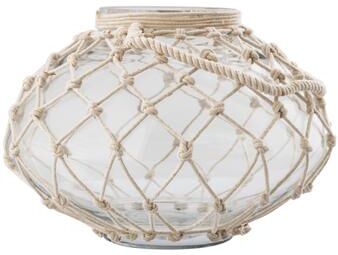
Elk Studio Elk Home Bonita Natural Natural Materials 12 Inch Wide VaseThe Bonita Vase has a low, wide rounded body made of glass which is wrapped loosely with a jute rope in a knotted, open weave pattern. The mouth of the vase features a twisted hute rope handle for easy transport.98,00 $*Shipping: 0,00 $Secure redirect to the provider
-
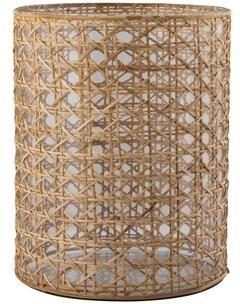
Elk Studio Elk Home Alys Natural Natural Materials 11 Inch Wide VaseThe Alys Large Vase features a wide cylinder of glass wrapped with rattan in a traditional webbed cane pattern. This vase has coastal appeal, and works in a variety of casual settings.150,00 $*Shipping: 0,00 $Secure redirect to the provider
-
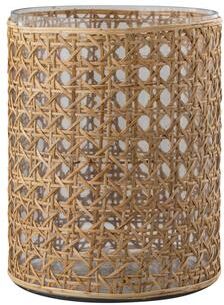
Elk Studio Elk Home Alys Natural Natural Materials 9 Inch Wide VaseThe Alys Medium Vase features a wide cylinder of glass wrapped with rattan in a traditional webbed cane pattern. This vase has coastal appeal, and works in a variety of casual settings.98,00 $*Shipping: 0,00 $Secure redirect to the provider
-
Uplift Essentials Natural Bamboo Eco Friendly Toothbrush 10 Piece Sustainable Family Pack Natural Bamboo Eco Friendly Toothbrush 10 Piece Sustainable Family PackTransition to a greener routine with this Natural Bamboo Toothbrush Set, a premium collection of bamboo products designed to reduce environmental impact without compromising on performance. Each handle is crafted from 100% sustainable bamboo,...37,97 $*Shipping: 0,00 $Secure redirect to the provider

-
How does 4D printing affect modern smart materials, such as shape memory materials and stimuli-responsive materials, in the space-time continuum?
4D printing has a significant impact on modern smart materials in the space-time continuum. With 4D printing, smart materials such as shape memory materials and stimuli-responsive materials can be programmed to change their shape, properties, or functionality over time in response to external stimuli. This means that these materials can adapt and respond to their environment, making them more dynamic and versatile. In the space-time continuum, 4D printing allows for the creation of materials that can self-assemble or reconfigure themselves in real-time, opening up new possibilities for applications in various fields such as aerospace, medicine, and architecture. **
-
How does 4D printing affect modern smart materials, such as shape memory materials and stimulus-responsive materials, in the space-time continuum?
4D printing enhances the capabilities of smart materials by allowing them to change shape and properties in response to external stimuli over time. This advancement enables shape memory materials to have more complex and precise transformations, while stimulus-responsive materials can exhibit more dynamic and programmable behaviors. By integrating 4D printing with these smart materials, researchers can create innovative designs that adapt and respond to changing environmental conditions in the space-time continuum, opening up new possibilities for applications in various industries such as aerospace, healthcare, and robotics. **
-
What climate-friendly building materials are there for houses?
There are several climate-friendly building materials that can be used for houses, including: 1. Recycled and reclaimed materials: Using materials such as reclaimed wood, recycled steel, and salvaged bricks can reduce the demand for new resources and minimize waste. 2. Sustainable wood: Timber that is certified by organizations like the Forest Stewardship Council (FSC) ensures that it comes from responsibly managed forests. 3. Insulation made from natural materials: Materials like cellulose, wool, and cork are renewable and have low environmental impact compared to traditional insulation materials. 4. Low-impact concrete alternatives: Materials like hempcrete, which is made from hemp fibers and lime, have lower carbon footprints than traditional concrete. By incorporating these materials into house construction, it is possible to reduce the environmental impact of building and contribute to a more sustainable future. **
-
What materials make up a modern exterior house wall?
Modern exterior house walls are typically made up of a variety of materials, including wood, vinyl, brick, stucco, stone, and metal. These materials are chosen for their durability, weather resistance, and aesthetic appeal. Additionally, modern exterior walls often include insulation materials to improve energy efficiency and reduce heating and cooling costs. The combination of these materials provides both structural support and visual appeal to the exterior of a home. **

What is the difference between raw materials, operating materials, and auxiliary materials?
Raw materials are the basic materials used in the production of goods, such as wood, metal, or oil. Operating materials are the materials used in the day-to-day operations of a business, such as office supplies, cleaning supplies, or packaging materials. Auxiliary materials are materials that support the production process but are not directly used in the final product, such as lubricants, solvents, or maintenance supplies. Each type of material plays a different role in the production and operation of a business. **
What is the difference between building materials, operating materials, and supplementary materials?
Building materials are used in the construction of a structure, such as wood, concrete, steel, and bricks. Operating materials are items used to maintain and operate a building, like cleaning supplies, light bulbs, and HVAC filters. Supplementary materials are additional items that may not be essential for the structure but can enhance its functionality or aesthetics, such as decorative finishes, landscaping materials, or furniture. **
Top-Angebote
Products related to Materials:
-
Uniquewise 31.5 inch Spun Bamboo Tall Trumpet Floor Vase - Decorative Home Accent, Natural Bamboo, Indoor Decoration, Sustainable Materials"Dimensions: Elevate your living space with the impressive dimensions of this modern floor vase, standing at a height of 31.5""and measuring 10"" in width, 10"" in depth."61,06 $*Shipping: 0,00 $Secure redirect to the provider
-
Elk Studio Elk Home Bonita Natural Natural Materials 12 Inch Wide VaseThe Bonita Vase has a low, wide rounded body made of glass which is wrapped loosely with a jute rope in a knotted, open weave pattern. The mouth of the vase features a twisted hute rope handle for easy transport.98,00 $*Shipping: 0,00 $Secure redirect to the provider
-
Elk Studio Elk Home Alys Natural Natural Materials 11 Inch Wide VaseThe Alys Large Vase features a wide cylinder of glass wrapped with rattan in a traditional webbed cane pattern. This vase has coastal appeal, and works in a variety of casual settings.150,00 $*Shipping: 0,00 $Secure redirect to the provider
-
What can be built from natural materials?
Many things can be built from natural materials, including houses, furniture, tools, and artwork. For example, houses can be constructed from materials such as wood, stone, and clay. Furniture can be made from wood, bamboo, or rattan. Tools can be crafted from materials like bone, stone, or wood. Artwork can be created using natural materials such as leaves, flowers, and clay. Overall, natural materials offer a wide range of possibilities for construction and creativity. **
-
What are raw materials, auxiliary materials, or operating materials?
Raw materials are the basic materials used in the production of goods. They are typically natural resources such as wood, metal, or agricultural products. Auxiliary materials are used to support the production process, such as lubricants, cleaning agents, or packaging materials. Operating materials are the supplies and tools used in the day-to-day operations of a business, such as office supplies, maintenance tools, or safety equipment. These materials are essential for the production and operation of goods and services. **
-
How does 4D printing affect modern smart materials, such as shape memory materials and stimuli-responsive materials, in the space-time continuum?
4D printing has a significant impact on modern smart materials in the space-time continuum. With 4D printing, smart materials such as shape memory materials and stimuli-responsive materials can be programmed to change their shape, properties, or functionality over time in response to external stimuli. This means that these materials can adapt and respond to their environment, making them more dynamic and versatile. In the space-time continuum, 4D printing allows for the creation of materials that can self-assemble or reconfigure themselves in real-time, opening up new possibilities for applications in various fields such as aerospace, medicine, and architecture. **
-
How does 4D printing affect modern smart materials, such as shape memory materials and stimulus-responsive materials, in the space-time continuum?
4D printing enhances the capabilities of smart materials by allowing them to change shape and properties in response to external stimuli over time. This advancement enables shape memory materials to have more complex and precise transformations, while stimulus-responsive materials can exhibit more dynamic and programmable behaviors. By integrating 4D printing with these smart materials, researchers can create innovative designs that adapt and respond to changing environmental conditions in the space-time continuum, opening up new possibilities for applications in various industries such as aerospace, healthcare, and robotics. **
Similar search terms for Materials
-
Elk Studio Elk Home Alys Natural Natural Materials 9 Inch Wide VaseThe Alys Medium Vase features a wide cylinder of glass wrapped with rattan in a traditional webbed cane pattern. This vase has coastal appeal, and works in a variety of casual settings.98,00 $*Shipping: 0,00 $Secure redirect to the provider
-
Uplift Essentials Natural Bamboo Eco Friendly Toothbrush 10 Piece Sustainable Family Pack Natural Bamboo Eco Friendly Toothbrush 10 Piece Sustainable Family PackTransition to a greener routine with this Natural Bamboo Toothbrush Set, a premium collection of bamboo products designed to reduce environmental impact without compromising on performance. Each handle is crafted from 100% sustainable bamboo,...37,97 $*Shipping: 0,00 $Secure redirect to the provider
-
Uplift Essentials Natural Eco Friendly Bamboo Toothbrush Set Colorful 10 Piece Value Pack Natural Eco Friendly Bamboo Toothbrush Set Colorful 10 Piece Value PackSwitch to a greener routine with this natural bamboo toothbrush set, designed to combine sustainability with a vibrant, modern aesthetic. Crafted from 100% renewable bamboo, these toothbrushes offer a lightweight and biodegradable alternative to...44,97 $*Shipping: 0,00 $Secure redirect to the provider
-
What climate-friendly building materials are there for houses?
There are several climate-friendly building materials that can be used for houses, including: 1. Recycled and reclaimed materials: Using materials such as reclaimed wood, recycled steel, and salvaged bricks can reduce the demand for new resources and minimize waste. 2. Sustainable wood: Timber that is certified by organizations like the Forest Stewardship Council (FSC) ensures that it comes from responsibly managed forests. 3. Insulation made from natural materials: Materials like cellulose, wool, and cork are renewable and have low environmental impact compared to traditional insulation materials. 4. Low-impact concrete alternatives: Materials like hempcrete, which is made from hemp fibers and lime, have lower carbon footprints than traditional concrete. By incorporating these materials into house construction, it is possible to reduce the environmental impact of building and contribute to a more sustainable future. **
-
What materials make up a modern exterior house wall?
Modern exterior house walls are typically made up of a variety of materials, including wood, vinyl, brick, stucco, stone, and metal. These materials are chosen for their durability, weather resistance, and aesthetic appeal. Additionally, modern exterior walls often include insulation materials to improve energy efficiency and reduce heating and cooling costs. The combination of these materials provides both structural support and visual appeal to the exterior of a home. **
-
What is the difference between raw materials, operating materials, and auxiliary materials?
Raw materials are the basic materials used in the production of goods, such as wood, metal, or oil. Operating materials are the materials used in the day-to-day operations of a business, such as office supplies, cleaning supplies, or packaging materials. Auxiliary materials are materials that support the production process but are not directly used in the final product, such as lubricants, solvents, or maintenance supplies. Each type of material plays a different role in the production and operation of a business. **
-
What is the difference between building materials, operating materials, and supplementary materials?
Building materials are used in the construction of a structure, such as wood, concrete, steel, and bricks. Operating materials are items used to maintain and operate a building, like cleaning supplies, light bulbs, and HVAC filters. Supplementary materials are additional items that may not be essential for the structure but can enhance its functionality or aesthetics, such as decorative finishes, landscaping materials, or furniture. **
* All prices are inclusive of VAT and, if applicable, plus shipping costs. The offer information is based on the details provided by the respective shop and is updated through automated processes. Real-time updates do not occur, so deviations can occur in individual cases. ** Note: Parts of this content were created by AI.