Buy dasso.eu ?
We are moving the project
dasso.eu .
Are you interested in purchasing the domain
dasso.eu ?
domain@kv-gmbh.de · 0541-91531010
Buy dasso.eu ?
Is it competitive or non-competitive inhibition?
It is non-competitive inhibition. This is because the inhibitor binds to an allosteric site on the enzyme, which is different from the active site where the substrate binds. This type of inhibition does not compete with the substrate for binding to the enzyme, hence the name non-competitive inhibition. **
Non-competitive inhibition, right?
Non-competitive inhibition is a type of enzyme inhibition where the inhibitor binds to a site on the enzyme that is not the active site. This binding causes a conformational change in the enzyme, making it less effective at catalyzing the reaction. Non-competitive inhibitors do not compete with the substrate for binding to the enzyme. Instead, they can bind to the enzyme-substrate complex or to a separate allosteric site on the enzyme. **
Similar search terms for Non-competitive
Top-Angebote
Products related to Non-competitive:
-
All Categories Goods Premium Wooden Chess Clock Timer Classic Mechanical Chess Clock For Competitive Play & Home Games Premium Wooden Chess Clock Timer Classic Mechanical Chess Clock For Competitive Play & Home GamesTurn every match into a memorable showdown with this timeless chess clock timer, crafted for both serious players and casual game nights. Whether youre practicing strategy or competing with friends, its classic mechanical design brings reliable...99,97 $*Shipping: 0,00 $Secure redirect to the provider
-
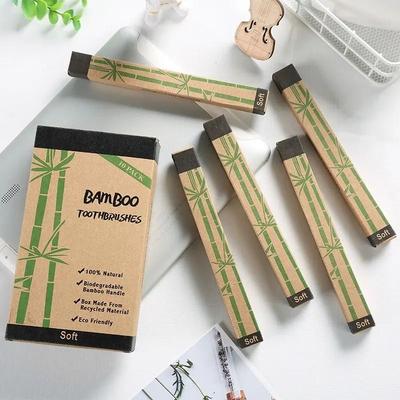
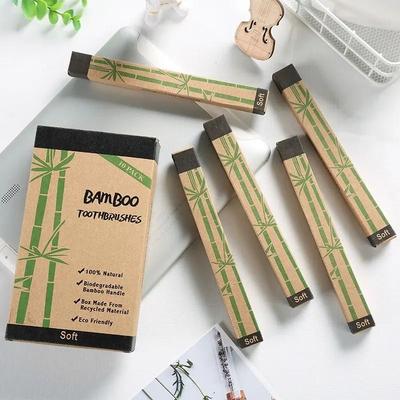
Uplift Essentials Natural Eco Friendly Bamboo Toothbrush Set With Individual Cowhide Wrap 10 Piece Value Pack Natural Eco Friendly Bamboo Toothbrush Set With Individual Cowhide Wrap 10 Piece Value PackEmbrace a plasticfree lifestyle with this natural and environmentally friendly bamboo toothbrush set, designed for the conscious consumer. Crafted from sustainable, highquality bamboo, these toothbrushes provide a biodegradable alternative to...37,97 $*Shipping: 0,00 $Secure redirect to the provider
-
Uplift Essentials Natural Wheat Straw & Bamboo Charcoal Infused Soft Toothbrush 10 Piece Eco Friendly Family Set Natural Wheat Straw & Bamboo Charcoal Infused Soft Toothbrush 10 Piece Eco Friendly Family SetNatural Wheat Straw & Bamboo Charcoal Infused Soft Toothbrush 10Piece EcoFriendly Family SetUpgrade your daily oral care with this sustainable wheat straw toothbrush collection, designed for the environmentally conscious household. Each handle is...36,97 $*Shipping: 0,00 $Secure redirect to the provider


-
What is the difference between competitive and non-competitive inhibition?
Competitive inhibition occurs when a molecule competes with the substrate for the active site of the enzyme, thus reducing the enzyme's ability to bind with the substrate. Non-competitive inhibition, on the other hand, occurs when a molecule binds to a site on the enzyme other than the active site, causing a conformational change in the enzyme that reduces its activity. In competitive inhibition, increasing the substrate concentration can overcome the inhibition, while in non-competitive inhibition, increasing the substrate concentration does not alleviate the inhibition. **
-
Is non-competitive inhibition irreversible or reversible?
Non-competitive inhibition is a type of enzyme inhibition that is reversible. In non-competitive inhibition, the inhibitor binds to the enzyme at a site other than the active site, causing a conformational change in the enzyme that reduces its activity. This type of inhibition can be overcome by increasing the substrate concentration, as it does not involve permanent alteration of the enzyme. **
-
What is an example of non-competitive inhibition?
An example of non-competitive inhibition is the binding of an allosteric inhibitor to an enzyme at a site other than the active site. This binding causes a conformational change in the enzyme, which reduces its activity and prevents the substrate from binding to the active site. This type of inhibition does not compete with the substrate for binding to the active site, hence the term "non-competitive." An example of this is the binding of ATP to the enzyme phosphofructokinase in glycolysis, which inhibits its activity. **
-
Can you give me an example of competitive and non-competitive inhibition in biology?
Sure! In competitive inhibition, a molecule similar in structure to the substrate competes with the substrate for the active site of the enzyme. This prevents the substrate from binding to the enzyme and carrying out its normal function. An example of this is the drug statins, which competitively inhibit the enzyme HMG-CoA reductase, involved in cholesterol synthesis. In non-competitive inhibition, a molecule binds to the enzyme at a location other than the active site, causing a conformational change in the enzyme that reduces its activity. An example of this is the poison cyanide, which non-competitively inhibits the enzyme cytochrome c oxidase in the electron transport chain, disrupting cellular respiration. **


Is allosteric inhibition the same as non-competitive inhibition?
Allosteric inhibition and non-competitive inhibition are not the same, although they are related. Non-competitive inhibition refers to the binding of an inhibitor to a site on the enzyme that is not the active site, thereby preventing the substrate from binding to the active site. Allosteric inhibition, on the other hand, occurs when an inhibitor binds to a site on the enzyme that is distinct from the active site, causing a conformational change in the enzyme that reduces its activity. While both types of inhibition involve the binding of an inhibitor to a site other than the active site, allosteric inhibition specifically involves a change in the enzyme's shape and activity. **
What is the difference between non-competitive and allosteric inhibition?
Non-competitive inhibition occurs when an inhibitor binds to an enzyme at a site other than the active site, causing a conformational change that prevents the substrate from binding. This type of inhibition is not affected by the concentration of the substrate. On the other hand, allosteric inhibition occurs when an inhibitor binds to an allosteric site on the enzyme, causing a conformational change that reduces the enzyme's activity. Allosteric inhibition is often reversible and can be overcome by increasing the concentration of the substrate. **
Top-Angebote
Products related to Non-competitive:
-
Uplift Essentials Natural Bamboo Eco Friendly Toothbrush 10 Piece Sustainable Family Pack Natural Bamboo Eco Friendly Toothbrush 10 Piece Sustainable Family PackTransition to a greener routine with this Natural Bamboo Toothbrush Set, a premium collection of bamboo products designed to reduce environmental impact without compromising on performance. Each handle is crafted from 100% sustainable bamboo,...37,97 $*Shipping: 0,00 $Secure redirect to the provider
-
Uplift Essentials Natural Eco Friendly Bamboo Toothbrush Set Colorful 10 Piece Value Pack Natural Eco Friendly Bamboo Toothbrush Set Colorful 10 Piece Value PackSwitch to a greener routine with this natural bamboo toothbrush set, designed to combine sustainability with a vibrant, modern aesthetic. Crafted from 100% renewable bamboo, these toothbrushes offer a lightweight and biodegradable alternative to...44,97 $*Shipping: 0,00 $Secure redirect to the provider
-
All Categories Goods Premium Wooden Chess Clock Timer Classic Mechanical Chess Clock For Competitive Play & Home Games Premium Wooden Chess Clock Timer Classic Mechanical Chess Clock For Competitive Play & Home GamesTurn every match into a memorable showdown with this timeless chess clock timer, crafted for both serious players and casual game nights. Whether youre practicing strategy or competing with friends, its classic mechanical design brings reliable...99,97 $*Shipping: 0,00 $Secure redirect to the provider
-
Uplift Essentials Natural Eco Friendly Bamboo Toothbrush Set With Individual Cowhide Wrap 10 Piece Value Pack Natural Eco Friendly Bamboo Toothbrush Set With Individual Cowhide Wrap 10 Piece Value PackEmbrace a plasticfree lifestyle with this natural and environmentally friendly bamboo toothbrush set, designed for the conscious consumer. Crafted from sustainable, highquality bamboo, these toothbrushes provide a biodegradable alternative to...37,97 $*Shipping: 0,00 $Secure redirect to the provider
-
Is it competitive or non-competitive inhibition?
It is non-competitive inhibition. This is because the inhibitor binds to an allosteric site on the enzyme, which is different from the active site where the substrate binds. This type of inhibition does not compete with the substrate for binding to the enzyme, hence the name non-competitive inhibition. **
-
Non-competitive inhibition, right?
Non-competitive inhibition is a type of enzyme inhibition where the inhibitor binds to a site on the enzyme that is not the active site. This binding causes a conformational change in the enzyme, making it less effective at catalyzing the reaction. Non-competitive inhibitors do not compete with the substrate for binding to the enzyme. Instead, they can bind to the enzyme-substrate complex or to a separate allosteric site on the enzyme. **
-
What is the difference between competitive and non-competitive inhibition?
Competitive inhibition occurs when a molecule competes with the substrate for the active site of the enzyme, thus reducing the enzyme's ability to bind with the substrate. Non-competitive inhibition, on the other hand, occurs when a molecule binds to a site on the enzyme other than the active site, causing a conformational change in the enzyme that reduces its activity. In competitive inhibition, increasing the substrate concentration can overcome the inhibition, while in non-competitive inhibition, increasing the substrate concentration does not alleviate the inhibition. **
-
Is non-competitive inhibition irreversible or reversible?
Non-competitive inhibition is a type of enzyme inhibition that is reversible. In non-competitive inhibition, the inhibitor binds to the enzyme at a site other than the active site, causing a conformational change in the enzyme that reduces its activity. This type of inhibition can be overcome by increasing the substrate concentration, as it does not involve permanent alteration of the enzyme. **
Similar search terms for Non-competitive
-
Uplift Essentials Natural Wheat Straw & Bamboo Charcoal Infused Soft Toothbrush 10 Piece Eco Friendly Family Set Natural Wheat Straw & Bamboo Charcoal Infused Soft Toothbrush 10 Piece Eco Friendly Family SetNatural Wheat Straw & Bamboo Charcoal Infused Soft Toothbrush 10Piece EcoFriendly Family SetUpgrade your daily oral care with this sustainable wheat straw toothbrush collection, designed for the environmentally conscious household. Each handle is...36,97 $*Shipping: 0,00 $Secure redirect to the provider
-
Multicon Wholesale Hub Natural Boar Bristle Bath Brush With Long Handle, Eco Friendly Bamboo Back Scrubber For Skin Exfoliation Natural Boar Bristle Bath Brush With Long Handle, Eco Friendly Bamboo Back Scrubber For Skin Exfoliation"Transform your daily skincare routine with the 15.7""in approx Long Handle Bath Brush, crafted from premium natural boar bristles and ecofriendly bamboo for an environmentally conscious choice. This natural bristles body back scrubber is designed to..."49,97 $*Shipping: 0,00 $Secure redirect to the provider
-
What is an example of non-competitive inhibition?
An example of non-competitive inhibition is the binding of an allosteric inhibitor to an enzyme at a site other than the active site. This binding causes a conformational change in the enzyme, which reduces its activity and prevents the substrate from binding to the active site. This type of inhibition does not compete with the substrate for binding to the active site, hence the term "non-competitive." An example of this is the binding of ATP to the enzyme phosphofructokinase in glycolysis, which inhibits its activity. **
-
Can you give me an example of competitive and non-competitive inhibition in biology?
Sure! In competitive inhibition, a molecule similar in structure to the substrate competes with the substrate for the active site of the enzyme. This prevents the substrate from binding to the enzyme and carrying out its normal function. An example of this is the drug statins, which competitively inhibit the enzyme HMG-CoA reductase, involved in cholesterol synthesis. In non-competitive inhibition, a molecule binds to the enzyme at a location other than the active site, causing a conformational change in the enzyme that reduces its activity. An example of this is the poison cyanide, which non-competitively inhibits the enzyme cytochrome c oxidase in the electron transport chain, disrupting cellular respiration. **
-
Is allosteric inhibition the same as non-competitive inhibition?
Allosteric inhibition and non-competitive inhibition are not the same, although they are related. Non-competitive inhibition refers to the binding of an inhibitor to a site on the enzyme that is not the active site, thereby preventing the substrate from binding to the active site. Allosteric inhibition, on the other hand, occurs when an inhibitor binds to a site on the enzyme that is distinct from the active site, causing a conformational change in the enzyme that reduces its activity. While both types of inhibition involve the binding of an inhibitor to a site other than the active site, allosteric inhibition specifically involves a change in the enzyme's shape and activity. **
-
What is the difference between non-competitive and allosteric inhibition?
Non-competitive inhibition occurs when an inhibitor binds to an enzyme at a site other than the active site, causing a conformational change that prevents the substrate from binding. This type of inhibition is not affected by the concentration of the substrate. On the other hand, allosteric inhibition occurs when an inhibitor binds to an allosteric site on the enzyme, causing a conformational change that reduces the enzyme's activity. Allosteric inhibition is often reversible and can be overcome by increasing the concentration of the substrate. **
* All prices are inclusive of VAT and, if applicable, plus shipping costs. The offer information is based on the details provided by the respective shop and is updated through automated processes. Real-time updates do not occur, so deviations can occur in individual cases. ** Note: Parts of this content were created by AI.