Buy dasso.eu ?
We are moving the project
dasso.eu .
Are you interested in purchasing the domain
dasso.eu ?
domain@kv-gmbh.de · 0541-91531010
Buy dasso.eu ?
Can one escape the cycle of samsara?
In Hinduism and Buddhism, samsara refers to the cycle of birth, death, and rebirth. Both religions believe that individuals can escape this cycle through spiritual enlightenment and liberation (moksha or nirvana). This can be achieved through following the teachings of the religion, practicing meditation, and leading a virtuous life. Ultimately, the goal is to break free from the cycle of samsara and attain a state of eternal peace and liberation. **
Why is Samsara considered something negative by Hindus?
Samsara is considered negative by Hindus because it represents the cycle of birth, death, and rebirth, which is characterized by suffering and impermanence. Hindus believe that the ultimate goal is to break free from this cycle and attain moksha, or liberation from the cycle of reincarnation. Samsara is seen as a state of bondage to worldly desires and attachments, which prevent individuals from realizing their true nature and achieving spiritual enlightenment. Therefore, Hindus strive to live a virtuous life and practice spiritual disciplines to ultimately transcend the cycle of Samsara. **
Similar search terms for Samsara
Top-Angebote
Products related to Samsara:
-
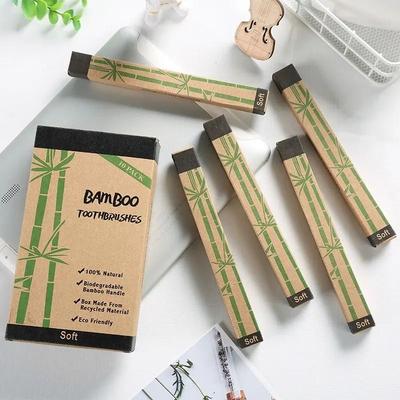
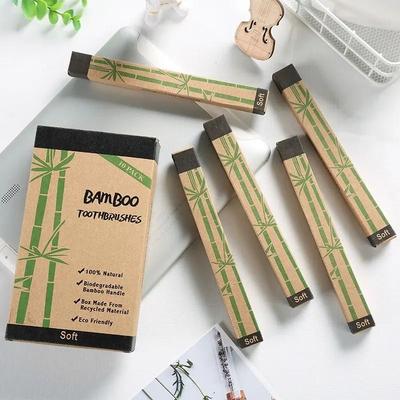
Uplift Essentials Natural Wheat Straw & Bamboo Charcoal Infused Soft Toothbrush 10 Piece Eco Friendly Family Set Natural Wheat Straw & Bamboo Charcoal Infused Soft Toothbrush 10 Piece Eco Friendly Family SetNatural Wheat Straw & Bamboo Charcoal Infused Soft Toothbrush 10Piece EcoFriendly Family SetUpgrade your daily oral care with this sustainable wheat straw toothbrush collection, designed for the environmentally conscious household. Each handle is...36,97 $*Shipping: 0,00 $Secure redirect to the provider
-
Uplift Essentials Natural Eco Friendly Bamboo Toothbrush Set With Individual Cowhide Wrap 10 Piece Value Pack Natural Eco Friendly Bamboo Toothbrush Set With Individual Cowhide Wrap 10 Piece Value PackEmbrace a plasticfree lifestyle with this natural and environmentally friendly bamboo toothbrush set, designed for the conscious consumer. Crafted from sustainable, highquality bamboo, these toothbrushes provide a biodegradable alternative to...37,97 $*Shipping: 0,00 $Secure redirect to the provider




-
Why is Samsara considered something negative for Hindus?
Samsara is considered something negative for Hindus because it represents the cycle of birth, death, and rebirth that is characterized by suffering and impermanence. The continuous cycle of samsara is seen as a form of bondage that prevents individuals from achieving liberation (moksha) and ultimate spiritual freedom. Hindus believe that breaking free from the cycle of samsara is essential to attaining enlightenment and reaching a state of eternal bliss and oneness with the divine. **
-
What is the existence of Samsara and Karma?
Samsara is the cycle of birth, death, and rebirth in Hinduism, Buddhism, and other Indian religions. It is the belief that all living beings go through this cycle, experiencing different lives and deaths until they reach enlightenment and break free from the cycle. Karma, on the other hand, is the concept that the actions and intentions of an individual have consequences in this life and the next. It is the belief that one's actions and thoughts create a cycle of cause and effect, influencing their future experiences and lives in Samsara. Together, Samsara and Karma form the basis of the moral and spiritual framework in these religions, guiding individuals towards enlightenment and liberation from the cycle of rebirth. **
-
What is the connection between Samsara, Karma, and Moksha?
Samsara, Karma, and Moksha are interconnected concepts in Hinduism. Samsara refers to the cycle of birth, death, and rebirth that all living beings go through. Karma is the law of cause and effect, where one's actions in this life will determine their future lives in Samsara. Moksha, on the other hand, is the ultimate goal of liberation from this cycle of rebirth and achieving union with the divine. By understanding and following the principles of Karma, individuals can ultimately attain Moksha and break free from the cycle of Samsara. **
-
What is the connection between Dharma, Samsara, and Karma?
Dharma, Samsara, and Karma are interconnected concepts in Hinduism and Buddhism. Dharma refers to the moral and ethical duties and responsibilities that individuals must follow in order to live a righteous life. Samsara is the cycle of birth, death, and rebirth that individuals go through as they experience the consequences of their actions. Karma is the law of cause and effect, where one's actions in this life will determine their future experiences in Samsara. Together, these concepts emphasize the importance of living a virtuous life in order to break free from the cycle of Samsara and achieve spiritual liberation. **


Are plants also affected by karma as part of samsara?
In the concept of samsara, all living beings are subject to the cycle of birth, death, and rebirth, and are influenced by the law of karma. This includes plants, as they are also considered living beings in many spiritual traditions. According to the concept of karma, the actions and intentions of all living beings, including plants, have consequences that can affect their future experiences and existence. Therefore, plants are also believed to be affected by karma as part of samsara. **
Why don't eco-friendly women shave?
Eco-friendly women may choose not to shave for a variety of reasons related to sustainability and environmental impact. Shaving requires the use of disposable razors, which contribute to plastic waste in landfills. Additionally, the production and transportation of shaving products can have a significant carbon footprint. By opting not to shave, eco-friendly women can reduce their personal contribution to waste and carbon emissions, aligning with their values of environmental conservation. **
Top-Angebote
Products related to Samsara:
-
Uplift Essentials Natural Bamboo Eco Friendly Toothbrush 10 Piece Sustainable Family Pack Natural Bamboo Eco Friendly Toothbrush 10 Piece Sustainable Family PackTransition to a greener routine with this Natural Bamboo Toothbrush Set, a premium collection of bamboo products designed to reduce environmental impact without compromising on performance. Each handle is crafted from 100% sustainable bamboo,...37,97 $*Shipping: 0,00 $Secure redirect to the provider
-
Uplift Essentials Natural Eco Friendly Bamboo Toothbrush Set Colorful 10 Piece Value Pack Natural Eco Friendly Bamboo Toothbrush Set Colorful 10 Piece Value PackSwitch to a greener routine with this natural bamboo toothbrush set, designed to combine sustainability with a vibrant, modern aesthetic. Crafted from 100% renewable bamboo, these toothbrushes offer a lightweight and biodegradable alternative to...44,97 $*Shipping: 0,00 $Secure redirect to the provider
-
Uplift Essentials Natural Wheat Straw & Bamboo Charcoal Infused Soft Toothbrush 10 Piece Eco Friendly Family Set Natural Wheat Straw & Bamboo Charcoal Infused Soft Toothbrush 10 Piece Eco Friendly Family SetNatural Wheat Straw & Bamboo Charcoal Infused Soft Toothbrush 10Piece EcoFriendly Family SetUpgrade your daily oral care with this sustainable wheat straw toothbrush collection, designed for the environmentally conscious household. Each handle is...36,97 $*Shipping: 0,00 $Secure redirect to the provider
-
Uplift Essentials Natural Eco Friendly Bamboo Toothbrush Set With Individual Cowhide Wrap 10 Piece Value Pack Natural Eco Friendly Bamboo Toothbrush Set With Individual Cowhide Wrap 10 Piece Value PackEmbrace a plasticfree lifestyle with this natural and environmentally friendly bamboo toothbrush set, designed for the conscious consumer. Crafted from sustainable, highquality bamboo, these toothbrushes provide a biodegradable alternative to...37,97 $*Shipping: 0,00 $Secure redirect to the provider
-
Can one escape the cycle of samsara?
In Hinduism and Buddhism, samsara refers to the cycle of birth, death, and rebirth. Both religions believe that individuals can escape this cycle through spiritual enlightenment and liberation (moksha or nirvana). This can be achieved through following the teachings of the religion, practicing meditation, and leading a virtuous life. Ultimately, the goal is to break free from the cycle of samsara and attain a state of eternal peace and liberation. **
-
Why is Samsara considered something negative by Hindus?
Samsara is considered negative by Hindus because it represents the cycle of birth, death, and rebirth, which is characterized by suffering and impermanence. Hindus believe that the ultimate goal is to break free from this cycle and attain moksha, or liberation from the cycle of reincarnation. Samsara is seen as a state of bondage to worldly desires and attachments, which prevent individuals from realizing their true nature and achieving spiritual enlightenment. Therefore, Hindus strive to live a virtuous life and practice spiritual disciplines to ultimately transcend the cycle of Samsara. **
-
Why is Samsara considered something negative for Hindus?
Samsara is considered something negative for Hindus because it represents the cycle of birth, death, and rebirth that is characterized by suffering and impermanence. The continuous cycle of samsara is seen as a form of bondage that prevents individuals from achieving liberation (moksha) and ultimate spiritual freedom. Hindus believe that breaking free from the cycle of samsara is essential to attaining enlightenment and reaching a state of eternal bliss and oneness with the divine. **
-
What is the existence of Samsara and Karma?
Samsara is the cycle of birth, death, and rebirth in Hinduism, Buddhism, and other Indian religions. It is the belief that all living beings go through this cycle, experiencing different lives and deaths until they reach enlightenment and break free from the cycle. Karma, on the other hand, is the concept that the actions and intentions of an individual have consequences in this life and the next. It is the belief that one's actions and thoughts create a cycle of cause and effect, influencing their future experiences and lives in Samsara. Together, Samsara and Karma form the basis of the moral and spiritual framework in these religions, guiding individuals towards enlightenment and liberation from the cycle of rebirth. **
Similar search terms for Samsara
-
Friendly Fresh Finds Family Pack Bamboo Charcoal Toothbrushes Eco Friendly Soft Bristles For Travel Family Pack Bamboo Charcoal Toothbrushes Eco Friendly Soft Bristles For TravelLooking for a sustainable way to keep your familys smiles fresh Our 10 Pcs Family Pack Bamboo Charcoal Toothbrushes are designed to deliver a gentle yet effective clean. With ecofriendly bamboo handles and soft bristles infused with charcoal, these...31,97 $*Shipping: 0,00 $Secure redirect to the provider
-
Multicon Wholesale Hub Natural Boar Bristle Bath Brush With Long Handle, Eco Friendly Bamboo Back Scrubber For Skin Exfoliation Natural Boar Bristle Bath Brush With Long Handle, Eco Friendly Bamboo Back Scrubber For Skin Exfoliation"Transform your daily skincare routine with the 15.7""in approx Long Handle Bath Brush, crafted from premium natural boar bristles and ecofriendly bamboo for an environmentally conscious choice. This natural bristles body back scrubber is designed to..."49,97 $*Shipping: 0,00 $Secure redirect to the provider
-
What is the connection between Samsara, Karma, and Moksha?
Samsara, Karma, and Moksha are interconnected concepts in Hinduism. Samsara refers to the cycle of birth, death, and rebirth that all living beings go through. Karma is the law of cause and effect, where one's actions in this life will determine their future lives in Samsara. Moksha, on the other hand, is the ultimate goal of liberation from this cycle of rebirth and achieving union with the divine. By understanding and following the principles of Karma, individuals can ultimately attain Moksha and break free from the cycle of Samsara. **
-
What is the connection between Dharma, Samsara, and Karma?
Dharma, Samsara, and Karma are interconnected concepts in Hinduism and Buddhism. Dharma refers to the moral and ethical duties and responsibilities that individuals must follow in order to live a righteous life. Samsara is the cycle of birth, death, and rebirth that individuals go through as they experience the consequences of their actions. Karma is the law of cause and effect, where one's actions in this life will determine their future experiences in Samsara. Together, these concepts emphasize the importance of living a virtuous life in order to break free from the cycle of Samsara and achieve spiritual liberation. **
-
Are plants also affected by karma as part of samsara?
In the concept of samsara, all living beings are subject to the cycle of birth, death, and rebirth, and are influenced by the law of karma. This includes plants, as they are also considered living beings in many spiritual traditions. According to the concept of karma, the actions and intentions of all living beings, including plants, have consequences that can affect their future experiences and existence. Therefore, plants are also believed to be affected by karma as part of samsara. **
-
Why don't eco-friendly women shave?
Eco-friendly women may choose not to shave for a variety of reasons related to sustainability and environmental impact. Shaving requires the use of disposable razors, which contribute to plastic waste in landfills. Additionally, the production and transportation of shaving products can have a significant carbon footprint. By opting not to shave, eco-friendly women can reduce their personal contribution to waste and carbon emissions, aligning with their values of environmental conservation. **
* All prices are inclusive of VAT and, if applicable, plus shipping costs. The offer information is based on the details provided by the respective shop and is updated through automated processes. Real-time updates do not occur, so deviations can occur in individual cases. ** Note: Parts of this content were created by AI.