Buy dasso.eu ?
We are moving the project
dasso.eu .
Are you interested in purchasing the domain
dasso.eu ?
domain@kv-gmbh.de · 0541-91531010
Buy dasso.eu ?
What is the quality of a telescope?
The quality of a telescope can be determined by several factors, including the clarity and sharpness of the images it produces, the precision and stability of its construction, and the accuracy and reliability of its tracking and pointing mechanisms. A high-quality telescope will have excellent optics that minimize distortion and aberrations, as well as a sturdy and well-engineered mount that allows for smooth and precise movement. Additionally, the overall build quality, durability, and ease of use are also important factors in determining the quality of a telescope. **
Which high-quality telescope is suitable for beginners?
A high-quality telescope suitable for beginners is the Celestron NexStar 130SLT. This telescope is user-friendly with its computerized mount that helps locate celestial objects easily. It has a good aperture size of 130mm, allowing for clear and detailed views of the night sky. Additionally, it comes with a database of over 4,000 celestial objects to explore, making it a great choice for those new to astronomy. **

Similar search terms for Telescope
Top-Angebote
Products related to Telescope:
-
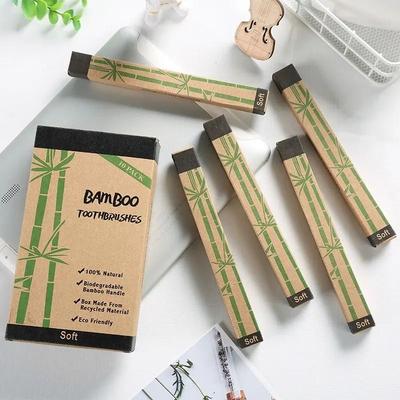
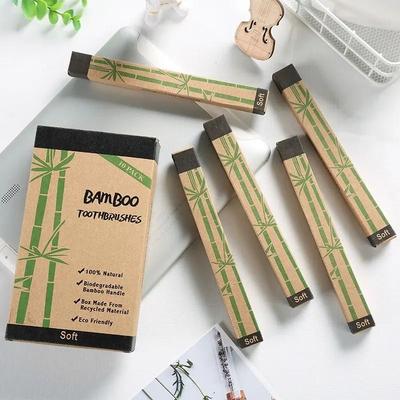
Uplift Essentials Natural Bamboo Eco Friendly Toothbrush 10 Piece Sustainable Family Pack Natural Bamboo Eco Friendly Toothbrush 10 Piece Sustainable Family PackTransition to a greener routine with this Natural Bamboo Toothbrush Set, a premium collection of bamboo products designed to reduce environmental impact without compromising on performance. Each handle is crafted from 100% sustainable bamboo,...37,97 $*Shipping: 0,00 $Secure redirect to the provider
-
Uplift Essentials Natural Eco Friendly Bamboo Toothbrush Set Colorful 10 Piece Value Pack Natural Eco Friendly Bamboo Toothbrush Set Colorful 10 Piece Value PackSwitch to a greener routine with this natural bamboo toothbrush set, designed to combine sustainability with a vibrant, modern aesthetic. Crafted from 100% renewable bamboo, these toothbrushes offer a lightweight and biodegradable alternative to...44,97 $*Shipping: 0,00 $Secure redirect to the provider
-
Swing-N-Slide Telescope with Working CompassThe Swing-N-Slide's Telescope with Working Compass and Mounting Bracket offers great fun and enjoyment. It is easy to install and features a simple design with a clear lens at the end for easy viewing.23,99 $*Shipping: 0,00 $Secure redirect to the provider
-
Uplift Treasures Astronaut Car Hanging Pendant Decor telescopeProduct Description: Add a fun and futuristic touch to your car with this creative astronaut hanging ornament. Designed to gently sway while driving, it brings a playful, spaceinspired vibe that makes your interior more lively and...48,97 $*Shipping: 0,00 $Secure redirect to the provider


-
Telescope or binoculars?
It depends on what you want to use them for. If you are interested in stargazing and observing distant celestial objects, a telescope would be the better choice as it provides higher magnification and better image quality. However, if you are looking for a more versatile and portable option for birdwatching, wildlife observation, or even some stargazing, then binoculars would be the better choice. Ultimately, the decision should be based on your specific needs and interests. **
-
What are the disadvantages of the Galilean telescope compared to the terrestrial telescope or the prism telescope?
The Galilean telescope has a narrower field of view compared to the terrestrial telescope and the prism telescope. This limits the amount of sky that can be observed at one time. Additionally, the Galilean telescope suffers from chromatic aberration, which can cause color fringing around the edges of the observed objects. This is a disadvantage compared to the terrestrial telescope and the prism telescope, which can provide clearer and more accurate images. Finally, the Galilean telescope has a shorter focal length, which can limit its ability to gather light and produce bright images, especially when compared to the terrestrial telescope. **
-
How is a simple refracting telescope constructed, such as Kepler's telescope?
A simple refracting telescope, like Kepler's telescope, is constructed using two main components: a convex lens and a concave lens. The convex lens, also known as the objective lens, is placed at the end of the telescope closest to the object being observed. This lens gathers and focuses light rays to form an image. The concave lens, or eyepiece lens, is positioned at the opposite end of the telescope and magnifies the image formed by the objective lens, allowing the viewer to see a larger and clearer image. The two lenses are set at a specific distance from each other to ensure proper magnification and focus. **
-
Which telescope is better?
The answer to which telescope is better depends on the specific needs and preferences of the user. Reflecting telescopes are typically better for viewing fainter objects in the sky due to their larger apertures and better light-gathering capabilities. On the other hand, refracting telescopes are better for viewing planets and other bright objects with high contrast. Ultimately, the best telescope is the one that aligns with the user's observing goals and budget. **


Which lens for telescope?
When choosing a lens for a telescope, it is important to consider factors such as the focal length of the telescope, the desired magnification, and the type of objects you want to observe. A shorter focal length lens will provide higher magnification, while a longer focal length lens will offer a wider field of view. It is also important to choose a lens with good optical quality to ensure clear and sharp images. Ultimately, the best lens for your telescope will depend on your specific observing needs and preferences. **
Which binoculars or telescope?
The choice between binoculars and a telescope depends on your specific needs and preferences. Binoculars are more portable and versatile, making them great for birdwatching, hiking, and other outdoor activities. They also provide a wider field of view, making it easier to locate and track moving objects. On the other hand, telescopes are better for stargazing and observing distant celestial objects, as they offer higher magnification and better light-gathering capabilities. If you're primarily interested in terrestrial viewing and want something portable, go for binoculars. If you're more interested in astronomy and don't mind a larger, less portable device, a telescope may be the better choice. **
Top-Angebote
Products related to Telescope:
-
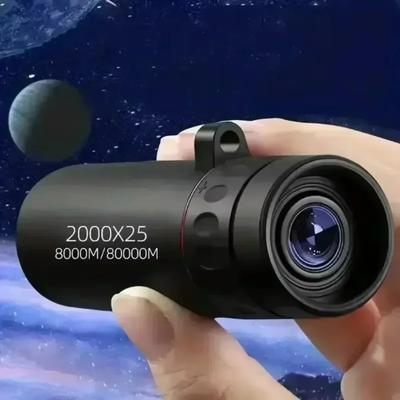
Combo Retail Shop Monocular Telescope Mini Portable Mobile Phone Telescope With Holder, Camping, Hunting, Bird Watching Telescope Monocular Telescope Mini Portable Mobile Phone Telescope With Holder, Camping, Hunting, Bird Watching TelescopeNew Monocular Telescope Mini Portable Mobile Phone Telescope with Holder for Camping, Hunting, Bird Watching Discover the world around you in stunning clarity with the New Monocular Telescope Mini Portable Mobile Phone Telescope with Holder. Whether...29,97 $*Shipping: 0,00 $Secure redirect to the provider
-
Uplift Essentials Natural Bamboo Eco Friendly Toothbrush 10 Piece Sustainable Family Pack Natural Bamboo Eco Friendly Toothbrush 10 Piece Sustainable Family PackTransition to a greener routine with this Natural Bamboo Toothbrush Set, a premium collection of bamboo products designed to reduce environmental impact without compromising on performance. Each handle is crafted from 100% sustainable bamboo,...37,97 $*Shipping: 0,00 $Secure redirect to the provider
-
Uplift Essentials Natural Eco Friendly Bamboo Toothbrush Set Colorful 10 Piece Value Pack Natural Eco Friendly Bamboo Toothbrush Set Colorful 10 Piece Value PackSwitch to a greener routine with this natural bamboo toothbrush set, designed to combine sustainability with a vibrant, modern aesthetic. Crafted from 100% renewable bamboo, these toothbrushes offer a lightweight and biodegradable alternative to...44,97 $*Shipping: 0,00 $Secure redirect to the provider
-
What is the quality of a telescope?
The quality of a telescope can be determined by several factors, including the clarity and sharpness of the images it produces, the precision and stability of its construction, and the accuracy and reliability of its tracking and pointing mechanisms. A high-quality telescope will have excellent optics that minimize distortion and aberrations, as well as a sturdy and well-engineered mount that allows for smooth and precise movement. Additionally, the overall build quality, durability, and ease of use are also important factors in determining the quality of a telescope. **
-
Which high-quality telescope is suitable for beginners?
A high-quality telescope suitable for beginners is the Celestron NexStar 130SLT. This telescope is user-friendly with its computerized mount that helps locate celestial objects easily. It has a good aperture size of 130mm, allowing for clear and detailed views of the night sky. Additionally, it comes with a database of over 4,000 celestial objects to explore, making it a great choice for those new to astronomy. **
-
Telescope or binoculars?
It depends on what you want to use them for. If you are interested in stargazing and observing distant celestial objects, a telescope would be the better choice as it provides higher magnification and better image quality. However, if you are looking for a more versatile and portable option for birdwatching, wildlife observation, or even some stargazing, then binoculars would be the better choice. Ultimately, the decision should be based on your specific needs and interests. **
-
What are the disadvantages of the Galilean telescope compared to the terrestrial telescope or the prism telescope?
The Galilean telescope has a narrower field of view compared to the terrestrial telescope and the prism telescope. This limits the amount of sky that can be observed at one time. Additionally, the Galilean telescope suffers from chromatic aberration, which can cause color fringing around the edges of the observed objects. This is a disadvantage compared to the terrestrial telescope and the prism telescope, which can provide clearer and more accurate images. Finally, the Galilean telescope has a shorter focal length, which can limit its ability to gather light and produce bright images, especially when compared to the terrestrial telescope. **
Similar search terms for Telescope
-
Swing-N-Slide Telescope with Working CompassThe Swing-N-Slide's Telescope with Working Compass and Mounting Bracket offers great fun and enjoyment. It is easy to install and features a simple design with a clear lens at the end for easy viewing.23,99 $*Shipping: 0,00 $Secure redirect to the provider
-
Uplift Treasures Astronaut Car Hanging Pendant Decor telescopeProduct Description: Add a fun and futuristic touch to your car with this creative astronaut hanging ornament. Designed to gently sway while driving, it brings a playful, spaceinspired vibe that makes your interior more lively and...48,97 $*Shipping: 0,00 $Secure redirect to the provider
-
Uplift Essentials Natural Wheat Straw & Bamboo Charcoal Infused Soft Toothbrush 10 Piece Eco Friendly Family Set Natural Wheat Straw & Bamboo Charcoal Infused Soft Toothbrush 10 Piece Eco Friendly Family SetNatural Wheat Straw & Bamboo Charcoal Infused Soft Toothbrush 10Piece EcoFriendly Family SetUpgrade your daily oral care with this sustainable wheat straw toothbrush collection, designed for the environmentally conscious household. Each handle is...36,97 $*Shipping: 0,00 $Secure redirect to the provider
-
How is a simple refracting telescope constructed, such as Kepler's telescope?
A simple refracting telescope, like Kepler's telescope, is constructed using two main components: a convex lens and a concave lens. The convex lens, also known as the objective lens, is placed at the end of the telescope closest to the object being observed. This lens gathers and focuses light rays to form an image. The concave lens, or eyepiece lens, is positioned at the opposite end of the telescope and magnifies the image formed by the objective lens, allowing the viewer to see a larger and clearer image. The two lenses are set at a specific distance from each other to ensure proper magnification and focus. **
-
Which telescope is better?
The answer to which telescope is better depends on the specific needs and preferences of the user. Reflecting telescopes are typically better for viewing fainter objects in the sky due to their larger apertures and better light-gathering capabilities. On the other hand, refracting telescopes are better for viewing planets and other bright objects with high contrast. Ultimately, the best telescope is the one that aligns with the user's observing goals and budget. **
-
Which lens for telescope?
When choosing a lens for a telescope, it is important to consider factors such as the focal length of the telescope, the desired magnification, and the type of objects you want to observe. A shorter focal length lens will provide higher magnification, while a longer focal length lens will offer a wider field of view. It is also important to choose a lens with good optical quality to ensure clear and sharp images. Ultimately, the best lens for your telescope will depend on your specific observing needs and preferences. **
-
Which binoculars or telescope?
The choice between binoculars and a telescope depends on your specific needs and preferences. Binoculars are more portable and versatile, making them great for birdwatching, hiking, and other outdoor activities. They also provide a wider field of view, making it easier to locate and track moving objects. On the other hand, telescopes are better for stargazing and observing distant celestial objects, as they offer higher magnification and better light-gathering capabilities. If you're primarily interested in terrestrial viewing and want something portable, go for binoculars. If you're more interested in astronomy and don't mind a larger, less portable device, a telescope may be the better choice. **
* All prices are inclusive of VAT and, if applicable, plus shipping costs. The offer information is based on the details provided by the respective shop and is updated through automated processes. Real-time updates do not occur, so deviations can occur in individual cases. ** Note: Parts of this content were created by AI.