Buy dasso.eu ?
We are moving the project
dasso.eu .
Are you interested in purchasing the domain
dasso.eu ?
domain@kv-gmbh.de · 0541-91531010
Buy dasso.eu ?
Do wasps eat other wasps?
Yes, some species of wasps are known to be predatory and will hunt and eat other insects, including other wasps. These predatory wasps may capture and paralyze their prey before feeding on them or bringing them back to their nest to feed their larvae. However, not all wasp species are predatory, and some may primarily feed on nectar and other plant-based food sources. **
What is a natural home remedy for wasps?
A natural home remedy for wasps is to mix equal parts of water and vinegar in a spray bottle and use it to spray the areas where wasps are present. The strong scent of vinegar can deter wasps from building nests or returning to the area. Additionally, planting certain herbs such as mint, thyme, or eucalyptus around your home can help repel wasps due to their strong scents. Finally, hanging up a fake wasp nest can also discourage wasps from building nests in the area, as they are territorial insects and will avoid areas where they believe other colonies are already established. **
Similar search terms for Wasps
Top-Angebote
Products related to Wasps:
-
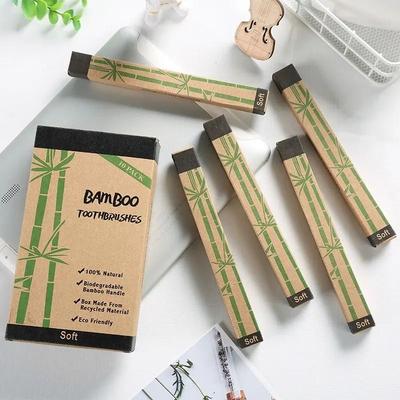
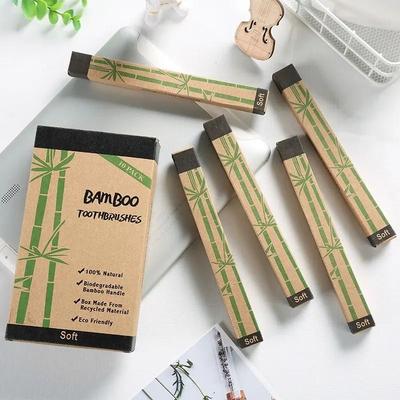
Uplift Essentials Natural Eco Friendly Bamboo Toothbrush Set With Individual Cowhide Wrap 10 Piece Value Pack Natural Eco Friendly Bamboo Toothbrush Set With Individual Cowhide Wrap 10 Piece Value PackEmbrace a plasticfree lifestyle with this natural and environmentally friendly bamboo toothbrush set, designed for the conscious consumer. Crafted from sustainable, highquality bamboo, these toothbrushes provide a biodegradable alternative to...37,97 $*Shipping: 0,00 $Secure redirect to the provider
-
Uplift Essentials Natural Wheat Straw & Bamboo Charcoal Infused Soft Toothbrush 10 Piece Eco Friendly Family Set Natural Wheat Straw & Bamboo Charcoal Infused Soft Toothbrush 10 Piece Eco Friendly Family SetNatural Wheat Straw & Bamboo Charcoal Infused Soft Toothbrush 10Piece EcoFriendly Family SetUpgrade your daily oral care with this sustainable wheat straw toothbrush collection, designed for the environmentally conscious household. Each handle is...36,97 $*Shipping: 0,00 $Secure redirect to the provider
-
John Murray New Scientist 3 Books Set (Why don't Penguins' Feet Freeze, Do Polar Bears get Lonely, Does anything eat Wasps)Why Don't Penguins' Feet Freeze?: And 114 Other Questions Ever wondered why we have fingerprints? Or whether bumblebees really defy the laws of physics when they fly? And why are eggs egg-shaped? And dogs' noses black? Why do our eyes water when we cut onions? Why doesn't superglue stick to the inside of its tube?Why Don't Penguins' Feet Freeze? is popular science at its most entertaining and enlightening. Do Polar Bears Get Lonely?: And 101 Other Intriguing Science Questions Why does garlic make your breath smell? How toothpaste makers get the stripes in toothpaste? Why do we get 'pins and needles'? Why are some people left-handed and other people right-handed? Can insects get fat? Do elephants sneeze? And do fish get thirsty? What causes cells to stick together in the human body rather than simply fall apart? And why are pears pear-shaped (and not apple-shaped)?This all-new and eagerly awaited selection of the best once again presents popular science at its most entertaining and enlightening. Does Anything Eat Wasps: And 101 Other Questions Every year, readers send in thousands of questions to New Scientist, the world's best-selling science weekly, in the hope that the answers to them will be given in the 'Last Word' column - regularly voted the most popular section of the magazine. Does Anything Eat Wasps? is a collection of the best that have appeared, including: Why can't we eat green potatoes? Why do airliners suddenly plummet? Does a compass work in space? Why do all the local dogs howl at emergency sirens? How can a tree grow out of a chimney stack? Why do bruises go through a range of colours? Why is the sea blue inside caves? Many seemingly simple questions are actually very complex to answer. And some that seem difficult have a very simple explanation.12,99 £*Shipping: 2,99 £Secure redirect to the provider


-
Can wasps smell?
Yes, wasps have a strong sense of smell. They use their antennae to detect pheromones released by other wasps, which helps them communicate and navigate. This sense of smell also helps them locate food sources such as nectar and other insects. Overall, their sense of smell plays a crucial role in their survival and social behavior. **
-
Do wasps suffer?
Wasps are capable of experiencing pain and distress, so it can be said that they do suffer. When wasps are injured or threatened, they exhibit behaviors that suggest they are in pain, such as writhing or attempting to escape. While their nervous systems are not as complex as those of mammals, wasps still have the capacity to feel and respond to negative stimuli. **
-
What attracts wasps?
Wasps are attracted to a variety of things including sweet smells, sugary foods, and ripe fruits. They are also drawn to protein sources like meat and pet food. Additionally, wasps are attracted to bright colors and strong scents, which can lead them to outdoor gatherings or picnics. It is important to keep these attractants in mind when trying to prevent wasps from becoming a nuisance. **
-
What repels wasps?
There are several natural repellents that can help keep wasps away, such as peppermint oil, citronella, and eucalyptus. These scents are unpleasant to wasps and can deter them from coming near. Additionally, planting certain herbs like mint, basil, and thyme in your garden can also help repel wasps. Keeping your outdoor eating areas clean and free of food and sugary drinks can also help prevent attracting wasps in the first place. **


Types of Wasps
There are several types of wasps, including paper wasps, yellowjackets, and hornets. Paper wasps are known for their distinctive papery nests and are generally less aggressive than other types of wasps. Yellowjackets are known for their yellow and black coloring and are often found near human habitation, where they can become a nuisance. Hornets are the largest of the three and are known for their aggressive behavior when their nests are disturbed. Each type of wasp has its own unique characteristics and behaviors. **
What about wasps?
Wasps are flying insects that are known for their distinctive black and yellow markings and their ability to sting. They are important for controlling pest insect populations and pollinating plants, but they can also be a nuisance and a potential danger to humans due to their sting. Some species of wasps are also known for building nests in and around human structures, which can lead to conflicts with people. It's important to be cautious around wasps and to take steps to prevent them from nesting in areas where they may come into contact with humans. **
Top-Angebote
Products related to Wasps:
-
Uplift Essentials Natural Bamboo Eco Friendly Toothbrush 10 Piece Sustainable Family Pack Natural Bamboo Eco Friendly Toothbrush 10 Piece Sustainable Family PackTransition to a greener routine with this Natural Bamboo Toothbrush Set, a premium collection of bamboo products designed to reduce environmental impact without compromising on performance. Each handle is crafted from 100% sustainable bamboo,...37,97 $*Shipping: 0,00 $Secure redirect to the provider
-
Uplift Essentials Natural Eco Friendly Bamboo Toothbrush Set Colorful 10 Piece Value Pack Natural Eco Friendly Bamboo Toothbrush Set Colorful 10 Piece Value PackSwitch to a greener routine with this natural bamboo toothbrush set, designed to combine sustainability with a vibrant, modern aesthetic. Crafted from 100% renewable bamboo, these toothbrushes offer a lightweight and biodegradable alternative to...44,97 $*Shipping: 0,00 $Secure redirect to the provider
-
Uplift Essentials Natural Eco Friendly Bamboo Toothbrush Set With Individual Cowhide Wrap 10 Piece Value Pack Natural Eco Friendly Bamboo Toothbrush Set With Individual Cowhide Wrap 10 Piece Value PackEmbrace a plasticfree lifestyle with this natural and environmentally friendly bamboo toothbrush set, designed for the conscious consumer. Crafted from sustainable, highquality bamboo, these toothbrushes provide a biodegradable alternative to...37,97 $*Shipping: 0,00 $Secure redirect to the provider
-
Uplift Essentials Natural Wheat Straw & Bamboo Charcoal Infused Soft Toothbrush 10 Piece Eco Friendly Family Set Natural Wheat Straw & Bamboo Charcoal Infused Soft Toothbrush 10 Piece Eco Friendly Family SetNatural Wheat Straw & Bamboo Charcoal Infused Soft Toothbrush 10Piece EcoFriendly Family SetUpgrade your daily oral care with this sustainable wheat straw toothbrush collection, designed for the environmentally conscious household. Each handle is...36,97 $*Shipping: 0,00 $Secure redirect to the provider
-
Do wasps eat other wasps?
Yes, some species of wasps are known to be predatory and will hunt and eat other insects, including other wasps. These predatory wasps may capture and paralyze their prey before feeding on them or bringing them back to their nest to feed their larvae. However, not all wasp species are predatory, and some may primarily feed on nectar and other plant-based food sources. **
-
What is a natural home remedy for wasps?
A natural home remedy for wasps is to mix equal parts of water and vinegar in a spray bottle and use it to spray the areas where wasps are present. The strong scent of vinegar can deter wasps from building nests or returning to the area. Additionally, planting certain herbs such as mint, thyme, or eucalyptus around your home can help repel wasps due to their strong scents. Finally, hanging up a fake wasp nest can also discourage wasps from building nests in the area, as they are territorial insects and will avoid areas where they believe other colonies are already established. **
-
Can wasps smell?
Yes, wasps have a strong sense of smell. They use their antennae to detect pheromones released by other wasps, which helps them communicate and navigate. This sense of smell also helps them locate food sources such as nectar and other insects. Overall, their sense of smell plays a crucial role in their survival and social behavior. **
-
Do wasps suffer?
Wasps are capable of experiencing pain and distress, so it can be said that they do suffer. When wasps are injured or threatened, they exhibit behaviors that suggest they are in pain, such as writhing or attempting to escape. While their nervous systems are not as complex as those of mammals, wasps still have the capacity to feel and respond to negative stimuli. **
Similar search terms for Wasps
-
John Murray New Scientist 3 Books Set (Why don't Penguins' Feet Freeze, Do Polar Bears get Lonely, Does anything eat Wasps)Why Don't Penguins' Feet Freeze?: And 114 Other Questions Ever wondered why we have fingerprints? Or whether bumblebees really defy the laws of physics when they fly? And why are eggs egg-shaped? And dogs' noses black? Why do our eyes water when we cut onions? Why doesn't superglue stick to the inside of its tube?Why Don't Penguins' Feet Freeze? is popular science at its most entertaining and enlightening. Do Polar Bears Get Lonely?: And 101 Other Intriguing Science Questions Why does garlic make your breath smell? How toothpaste makers get the stripes in toothpaste? Why do we get 'pins and needles'? Why are some people left-handed and other people right-handed? Can insects get fat? Do elephants sneeze? And do fish get thirsty? What causes cells to stick together in the human body rather than simply fall apart? And why are pears pear-shaped (and not apple-shaped)?This all-new and eagerly awaited selection of the best once again presents popular science at its most entertaining and enlightening. Does Anything Eat Wasps: And 101 Other Questions Every year, readers send in thousands of questions to New Scientist, the world's best-selling science weekly, in the hope that the answers to them will be given in the 'Last Word' column - regularly voted the most popular section of the magazine. Does Anything Eat Wasps? is a collection of the best that have appeared, including: Why can't we eat green potatoes? Why do airliners suddenly plummet? Does a compass work in space? Why do all the local dogs howl at emergency sirens? How can a tree grow out of a chimney stack? Why do bruises go through a range of colours? Why is the sea blue inside caves? Many seemingly simple questions are actually very complex to answer. And some that seem difficult have a very simple explanation.12,99 £*Shipping: 2,99 £Secure redirect to the provider
-
Multicon Wholesale Hub Natural Boar Bristle Bath Brush With Long Handle, Eco Friendly Bamboo Back Scrubber For Skin Exfoliation Natural Boar Bristle Bath Brush With Long Handle, Eco Friendly Bamboo Back Scrubber For Skin Exfoliation"Transform your daily skincare routine with the 15.7""in approx Long Handle Bath Brush, crafted from premium natural boar bristles and ecofriendly bamboo for an environmentally conscious choice. This natural bristles body back scrubber is designed to..."49,97 $*Shipping: 0,00 $Secure redirect to the provider
-
What attracts wasps?
Wasps are attracted to a variety of things including sweet smells, sugary foods, and ripe fruits. They are also drawn to protein sources like meat and pet food. Additionally, wasps are attracted to bright colors and strong scents, which can lead them to outdoor gatherings or picnics. It is important to keep these attractants in mind when trying to prevent wasps from becoming a nuisance. **
-
What repels wasps?
There are several natural repellents that can help keep wasps away, such as peppermint oil, citronella, and eucalyptus. These scents are unpleasant to wasps and can deter them from coming near. Additionally, planting certain herbs like mint, basil, and thyme in your garden can also help repel wasps. Keeping your outdoor eating areas clean and free of food and sugary drinks can also help prevent attracting wasps in the first place. **
-
Types of Wasps
There are several types of wasps, including paper wasps, yellowjackets, and hornets. Paper wasps are known for their distinctive papery nests and are generally less aggressive than other types of wasps. Yellowjackets are known for their yellow and black coloring and are often found near human habitation, where they can become a nuisance. Hornets are the largest of the three and are known for their aggressive behavior when their nests are disturbed. Each type of wasp has its own unique characteristics and behaviors. **
-
What about wasps?
Wasps are flying insects that are known for their distinctive black and yellow markings and their ability to sting. They are important for controlling pest insect populations and pollinating plants, but they can also be a nuisance and a potential danger to humans due to their sting. Some species of wasps are also known for building nests in and around human structures, which can lead to conflicts with people. It's important to be cautious around wasps and to take steps to prevent them from nesting in areas where they may come into contact with humans. **
* All prices are inclusive of VAT and, if applicable, plus shipping costs. The offer information is based on the details provided by the respective shop and is updated through automated processes. Real-time updates do not occur, so deviations can occur in individual cases. ** Note: Parts of this content were created by AI.