Buy dasso.eu ?
We are moving the project
dasso.eu .
Are you interested in purchasing the domain
dasso.eu ?
domain@kv-gmbh.de · 0541-91531010
Buy dasso.eu ?
Are soil substrates combinable?
Yes, soil substrates are combinable. Different types of soil substrates can be mixed together to create a custom blend that meets the specific needs of plants. For example, combining peat moss with perlite and vermiculite can create a well-draining and nutrient-rich substrate for growing plants. It's important to consider the specific requirements of the plants being grown and adjust the substrate mix accordingly. **
What are inorganic substrates in biology?
Inorganic substrates in biology are non-living materials that serve as a source of nutrients or energy for living organisms. These substrates can include minerals, metals, and other non-organic compounds that are essential for various biological processes. Inorganic substrates are used by organisms for processes such as photosynthesis, respiration, and metabolism. They play a crucial role in the functioning of living organisms and are essential for their survival and growth. **
Similar search terms for Substrates
Top-Angebote
Products related to Substrates:
-
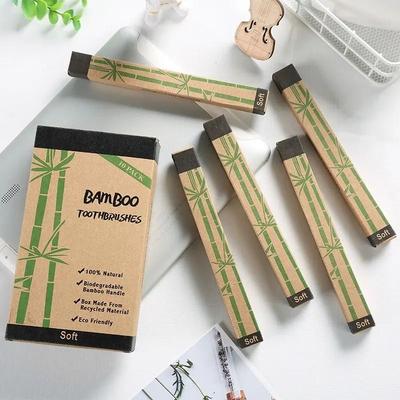
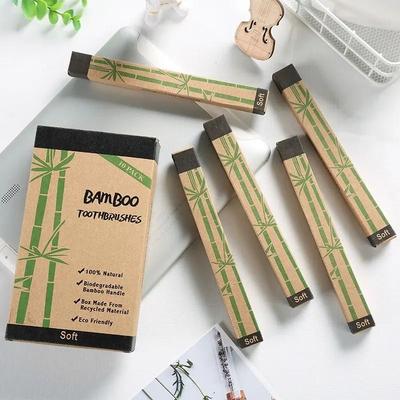
Uplift Essentials Natural Eco Friendly Bamboo Toothbrush Set With Individual Cowhide Wrap 10 Piece Value Pack Natural Eco Friendly Bamboo Toothbrush Set With Individual Cowhide Wrap 10 Piece Value PackEmbrace a plasticfree lifestyle with this natural and environmentally friendly bamboo toothbrush set, designed for the conscious consumer. Crafted from sustainable, highquality bamboo, these toothbrushes provide a biodegradable alternative to...37,97 $*Shipping: 0,00 $Secure redirect to the provider
-
Uplift Essentials Natural Wheat Straw & Bamboo Charcoal Infused Soft Toothbrush 10 Piece Eco Friendly Family Set Natural Wheat Straw & Bamboo Charcoal Infused Soft Toothbrush 10 Piece Eco Friendly Family SetNatural Wheat Straw & Bamboo Charcoal Infused Soft Toothbrush 10Piece EcoFriendly Family SetUpgrade your daily oral care with this sustainable wheat straw toothbrush collection, designed for the environmentally conscious household. Each handle is...36,97 $*Shipping: 0,00 $Secure redirect to the provider




-
What is the specificity of enzymes on substrates?
Enzymes are highly specific in their interactions with substrates, meaning that each enzyme typically catalyzes a specific chemical reaction with a specific substrate. This specificity is due to the unique three-dimensional shape of the enzyme's active site, which is complementary to the shape and chemical properties of its specific substrate. The enzyme-substrate interaction is often compared to a lock and key, where the enzyme (lock) can only bind to its specific substrate (key) due to their precise matching shapes and chemical properties. This specificity ensures that enzymes can efficiently catalyze specific reactions without interfering with other cellular processes. **
-
Which color pigments are not allowed on alkaline substrates?
Pigments that are not allowed on alkaline substrates are acidic pigments. These pigments can react with the alkaline surface, causing color changes or other undesirable effects. Some examples of acidic pigments that should be avoided on alkaline substrates include certain reds, yellows, and oranges. It is important to choose pigments that are compatible with the pH of the substrate to ensure the longevity and quality of the artwork. **
-
What are the substrates and the specificity of action of glucose oxidase?
Glucose oxidase is an enzyme that specifically acts on glucose as its substrate. It catalyzes the oxidation of glucose to produce gluconic acid and hydrogen peroxide. This enzyme is highly specific to glucose and does not act on other sugars or compounds. Glucose oxidase is commonly used in various industries, such as food and beverage, for its ability to detect and quantify glucose levels. **
-
What are the printing substrates and printing materials used in the following printing processes?
In offset printing, the printing substrate is typically paper or cardboard, while the printing materials are ink and a printing plate. In digital printing, the substrate can vary and include paper, plastic, fabric, or even metal, and the printing materials are toner or liquid ink. In flexography, the substrate is usually flexible and can include paper, plastic, or cellophane, and the printing materials are liquid inks. In gravure printing, the substrate can be paper, plastic, or metal, and the printing materials are liquid inks. **


Why don't eco-friendly women shave?
Eco-friendly women may choose not to shave for a variety of reasons related to sustainability and environmental impact. Shaving requires the use of disposable razors, which contribute to plastic waste in landfills. Additionally, the production and transportation of shaving products can have a significant carbon footprint. By opting not to shave, eco-friendly women can reduce their personal contribution to waste and carbon emissions, aligning with their values of environmental conservation. **
Which eco-friendly diapers are the best?
The best eco-friendly diapers are those that are made from sustainable materials such as bamboo, organic cotton, or plant-based fibers. Brands like Bambo Nature, Eco by Naty, and Seventh Generation are popular choices for their commitment to using environmentally friendly materials and reducing their carbon footprint. It's important to look for diapers that are free from harmful chemicals, dyes, and fragrances to ensure they are safe for both your baby and the environment. Ultimately, the best eco-friendly diaper will depend on your personal preferences and values, so it's worth trying a few different brands to see which one works best for you and your baby. **
Top-Angebote
Products related to Substrates:
-
Uplift Essentials Natural Bamboo Eco Friendly Toothbrush 10 Piece Sustainable Family Pack Natural Bamboo Eco Friendly Toothbrush 10 Piece Sustainable Family PackTransition to a greener routine with this Natural Bamboo Toothbrush Set, a premium collection of bamboo products designed to reduce environmental impact without compromising on performance. Each handle is crafted from 100% sustainable bamboo,...37,97 $*Shipping: 0,00 $Secure redirect to the provider
-
Uplift Essentials Natural Eco Friendly Bamboo Toothbrush Set Colorful 10 Piece Value Pack Natural Eco Friendly Bamboo Toothbrush Set Colorful 10 Piece Value PackSwitch to a greener routine with this natural bamboo toothbrush set, designed to combine sustainability with a vibrant, modern aesthetic. Crafted from 100% renewable bamboo, these toothbrushes offer a lightweight and biodegradable alternative to...44,97 $*Shipping: 0,00 $Secure redirect to the provider
-
Uplift Essentials Natural Eco Friendly Bamboo Toothbrush Set With Individual Cowhide Wrap 10 Piece Value Pack Natural Eco Friendly Bamboo Toothbrush Set With Individual Cowhide Wrap 10 Piece Value PackEmbrace a plasticfree lifestyle with this natural and environmentally friendly bamboo toothbrush set, designed for the conscious consumer. Crafted from sustainable, highquality bamboo, these toothbrushes provide a biodegradable alternative to...37,97 $*Shipping: 0,00 $Secure redirect to the provider
-
Uplift Essentials Natural Wheat Straw & Bamboo Charcoal Infused Soft Toothbrush 10 Piece Eco Friendly Family Set Natural Wheat Straw & Bamboo Charcoal Infused Soft Toothbrush 10 Piece Eco Friendly Family SetNatural Wheat Straw & Bamboo Charcoal Infused Soft Toothbrush 10Piece EcoFriendly Family SetUpgrade your daily oral care with this sustainable wheat straw toothbrush collection, designed for the environmentally conscious household. Each handle is...36,97 $*Shipping: 0,00 $Secure redirect to the provider
-
Are soil substrates combinable?
Yes, soil substrates are combinable. Different types of soil substrates can be mixed together to create a custom blend that meets the specific needs of plants. For example, combining peat moss with perlite and vermiculite can create a well-draining and nutrient-rich substrate for growing plants. It's important to consider the specific requirements of the plants being grown and adjust the substrate mix accordingly. **
-
What are inorganic substrates in biology?
Inorganic substrates in biology are non-living materials that serve as a source of nutrients or energy for living organisms. These substrates can include minerals, metals, and other non-organic compounds that are essential for various biological processes. Inorganic substrates are used by organisms for processes such as photosynthesis, respiration, and metabolism. They play a crucial role in the functioning of living organisms and are essential for their survival and growth. **
-
What is the specificity of enzymes on substrates?
Enzymes are highly specific in their interactions with substrates, meaning that each enzyme typically catalyzes a specific chemical reaction with a specific substrate. This specificity is due to the unique three-dimensional shape of the enzyme's active site, which is complementary to the shape and chemical properties of its specific substrate. The enzyme-substrate interaction is often compared to a lock and key, where the enzyme (lock) can only bind to its specific substrate (key) due to their precise matching shapes and chemical properties. This specificity ensures that enzymes can efficiently catalyze specific reactions without interfering with other cellular processes. **
-
Which color pigments are not allowed on alkaline substrates?
Pigments that are not allowed on alkaline substrates are acidic pigments. These pigments can react with the alkaline surface, causing color changes or other undesirable effects. Some examples of acidic pigments that should be avoided on alkaline substrates include certain reds, yellows, and oranges. It is important to choose pigments that are compatible with the pH of the substrate to ensure the longevity and quality of the artwork. **
Similar search terms for Substrates
-
Multicon Wholesale Hub Natural Boar Bristle Bath Brush With Long Handle, Eco Friendly Bamboo Back Scrubber For Skin Exfoliation Natural Boar Bristle Bath Brush With Long Handle, Eco Friendly Bamboo Back Scrubber For Skin Exfoliation"Transform your daily skincare routine with the 15.7""in approx Long Handle Bath Brush, crafted from premium natural boar bristles and ecofriendly bamboo for an environmentally conscious choice. This natural bristles body back scrubber is designed to..."49,97 $*Shipping: 0,00 $Secure redirect to the provider
-
Friendly Fresh Finds Family Pack Bamboo Charcoal Toothbrushes Eco Friendly Soft Bristles For Travel Family Pack Bamboo Charcoal Toothbrushes Eco Friendly Soft Bristles For TravelLooking for a sustainable way to keep your familys smiles fresh Our 10 Pcs Family Pack Bamboo Charcoal Toothbrushes are designed to deliver a gentle yet effective clean. With ecofriendly bamboo handles and soft bristles infused with charcoal, these...31,97 $*Shipping: 0,00 $Secure redirect to the provider
-
What are the substrates and the specificity of action of glucose oxidase?
Glucose oxidase is an enzyme that specifically acts on glucose as its substrate. It catalyzes the oxidation of glucose to produce gluconic acid and hydrogen peroxide. This enzyme is highly specific to glucose and does not act on other sugars or compounds. Glucose oxidase is commonly used in various industries, such as food and beverage, for its ability to detect and quantify glucose levels. **
-
What are the printing substrates and printing materials used in the following printing processes?
In offset printing, the printing substrate is typically paper or cardboard, while the printing materials are ink and a printing plate. In digital printing, the substrate can vary and include paper, plastic, fabric, or even metal, and the printing materials are toner or liquid ink. In flexography, the substrate is usually flexible and can include paper, plastic, or cellophane, and the printing materials are liquid inks. In gravure printing, the substrate can be paper, plastic, or metal, and the printing materials are liquid inks. **
-
Why don't eco-friendly women shave?
Eco-friendly women may choose not to shave for a variety of reasons related to sustainability and environmental impact. Shaving requires the use of disposable razors, which contribute to plastic waste in landfills. Additionally, the production and transportation of shaving products can have a significant carbon footprint. By opting not to shave, eco-friendly women can reduce their personal contribution to waste and carbon emissions, aligning with their values of environmental conservation. **
-
Which eco-friendly diapers are the best?
The best eco-friendly diapers are those that are made from sustainable materials such as bamboo, organic cotton, or plant-based fibers. Brands like Bambo Nature, Eco by Naty, and Seventh Generation are popular choices for their commitment to using environmentally friendly materials and reducing their carbon footprint. It's important to look for diapers that are free from harmful chemicals, dyes, and fragrances to ensure they are safe for both your baby and the environment. Ultimately, the best eco-friendly diaper will depend on your personal preferences and values, so it's worth trying a few different brands to see which one works best for you and your baby. **
* All prices are inclusive of VAT and, if applicable, plus shipping costs. The offer information is based on the details provided by the respective shop and is updated through automated processes. Real-time updates do not occur, so deviations can occur in individual cases. ** Note: Parts of this content were created by AI.